Dobell Artist in Residence Award
PARTNER | BUNDANON
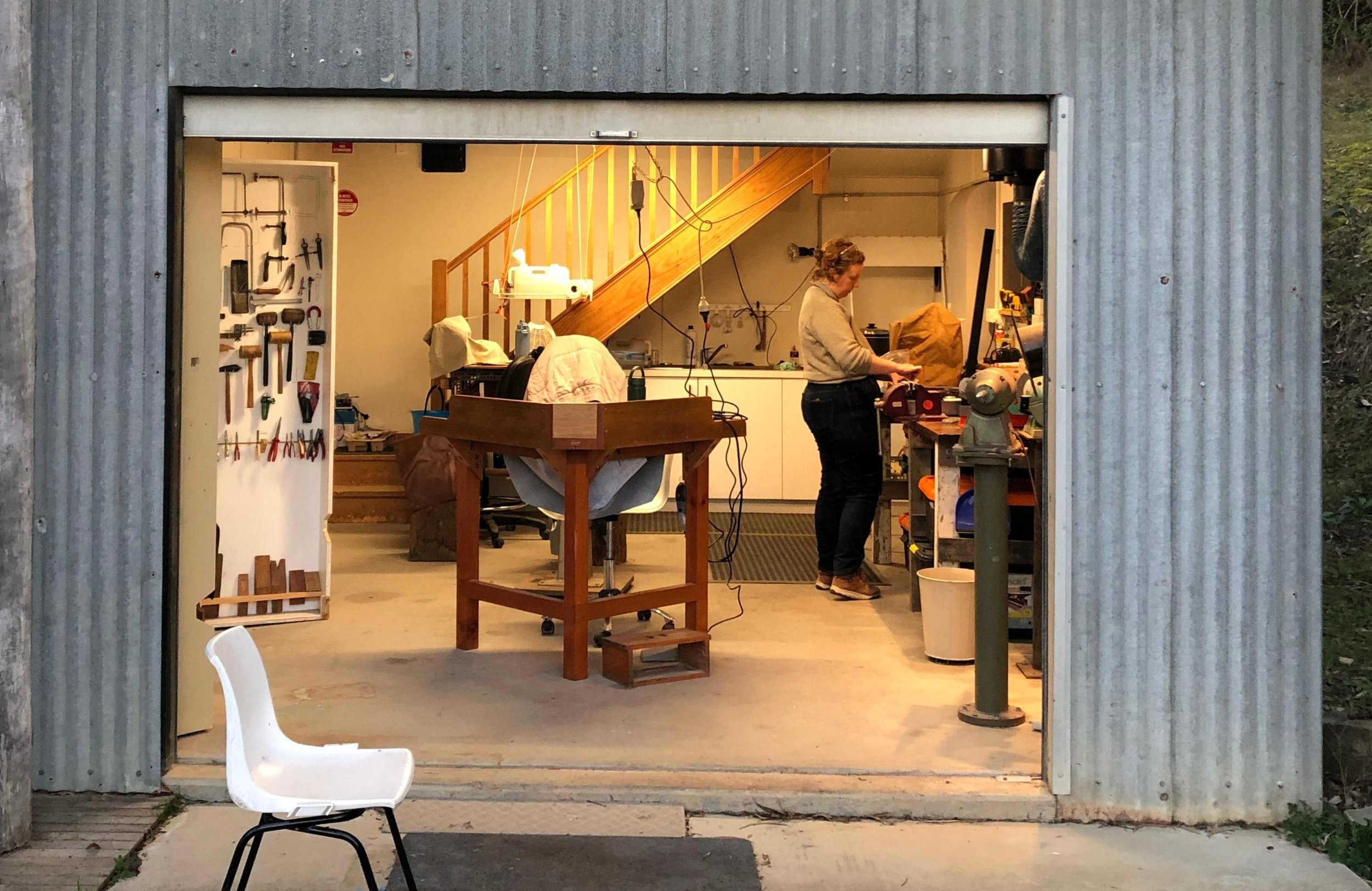
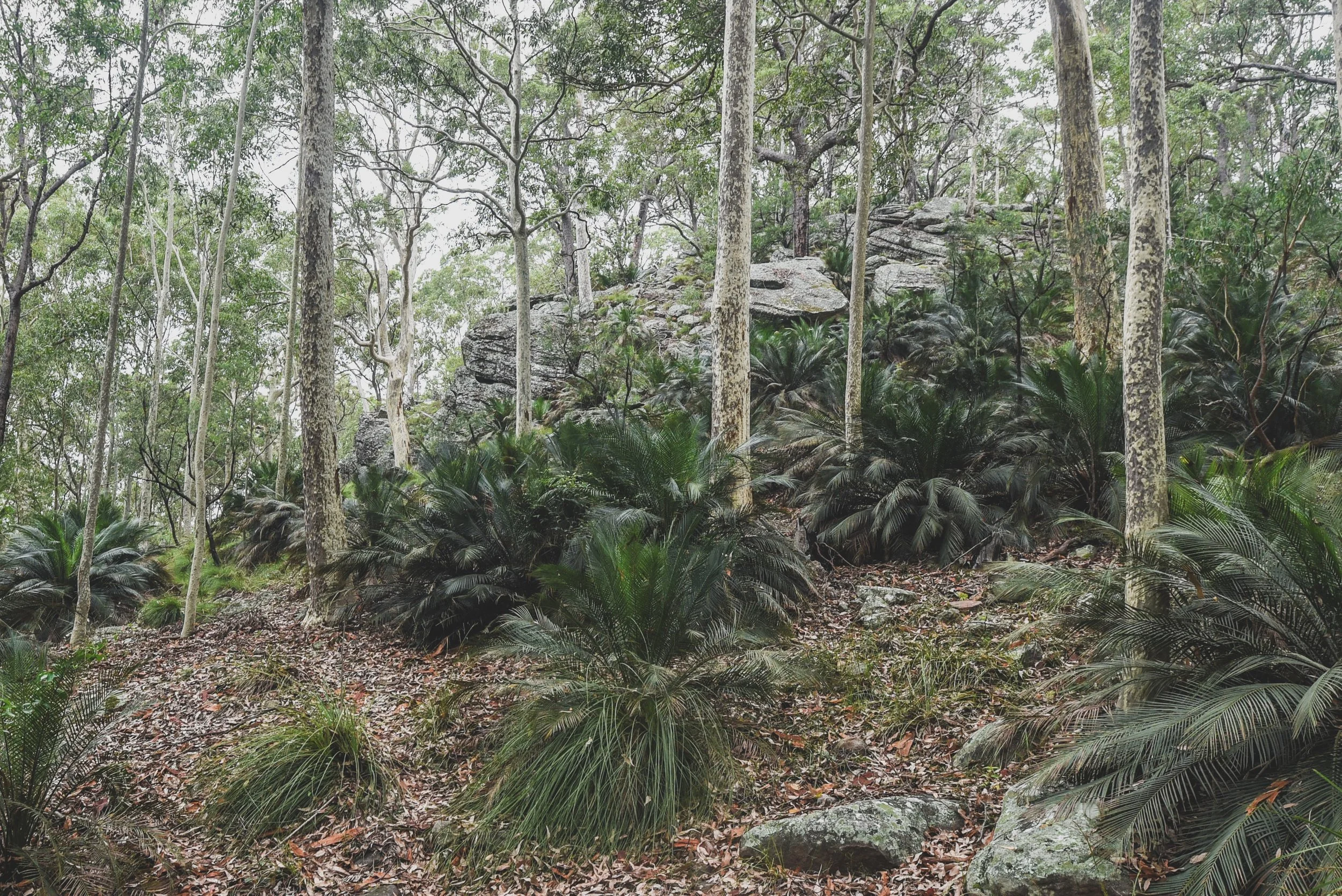
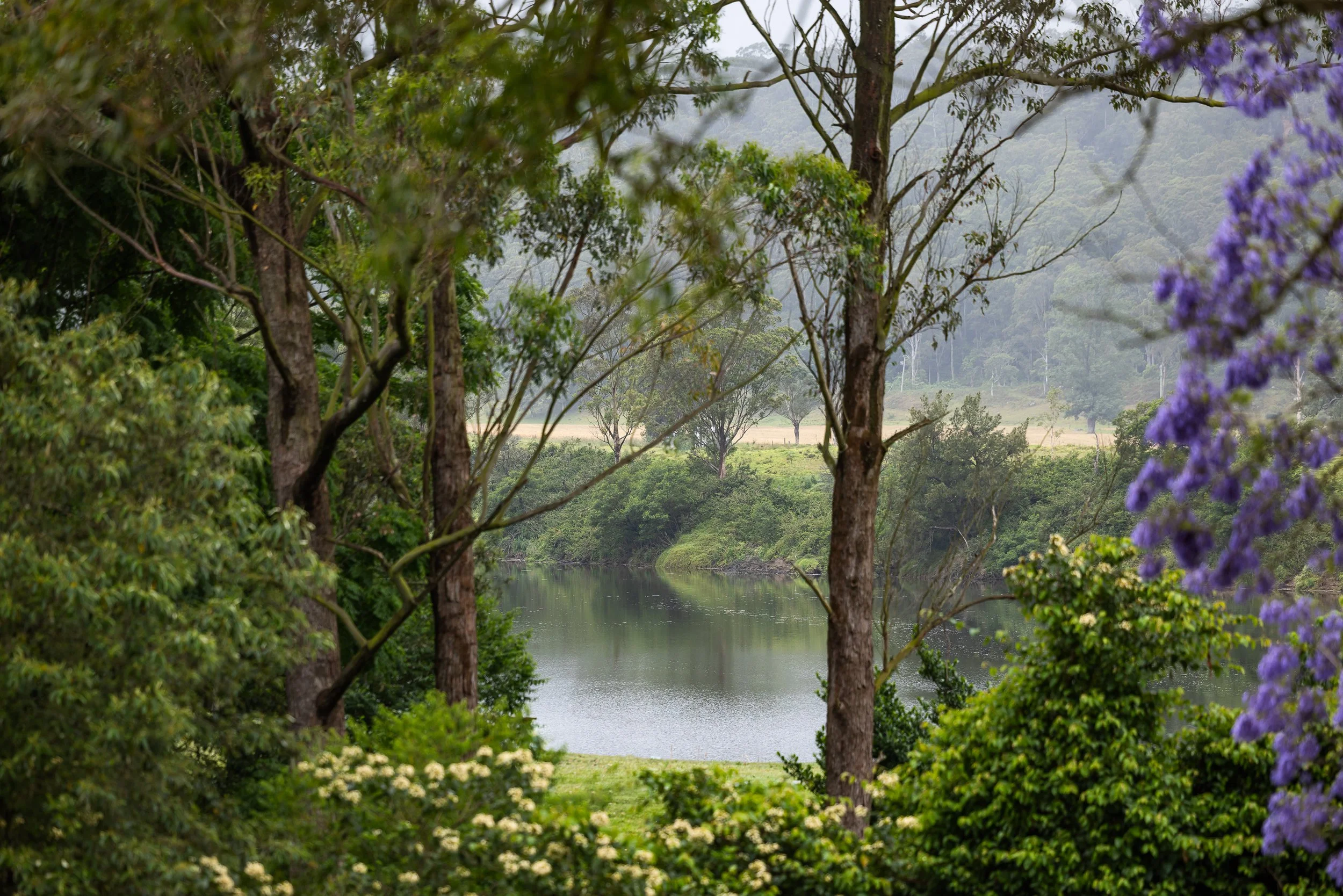
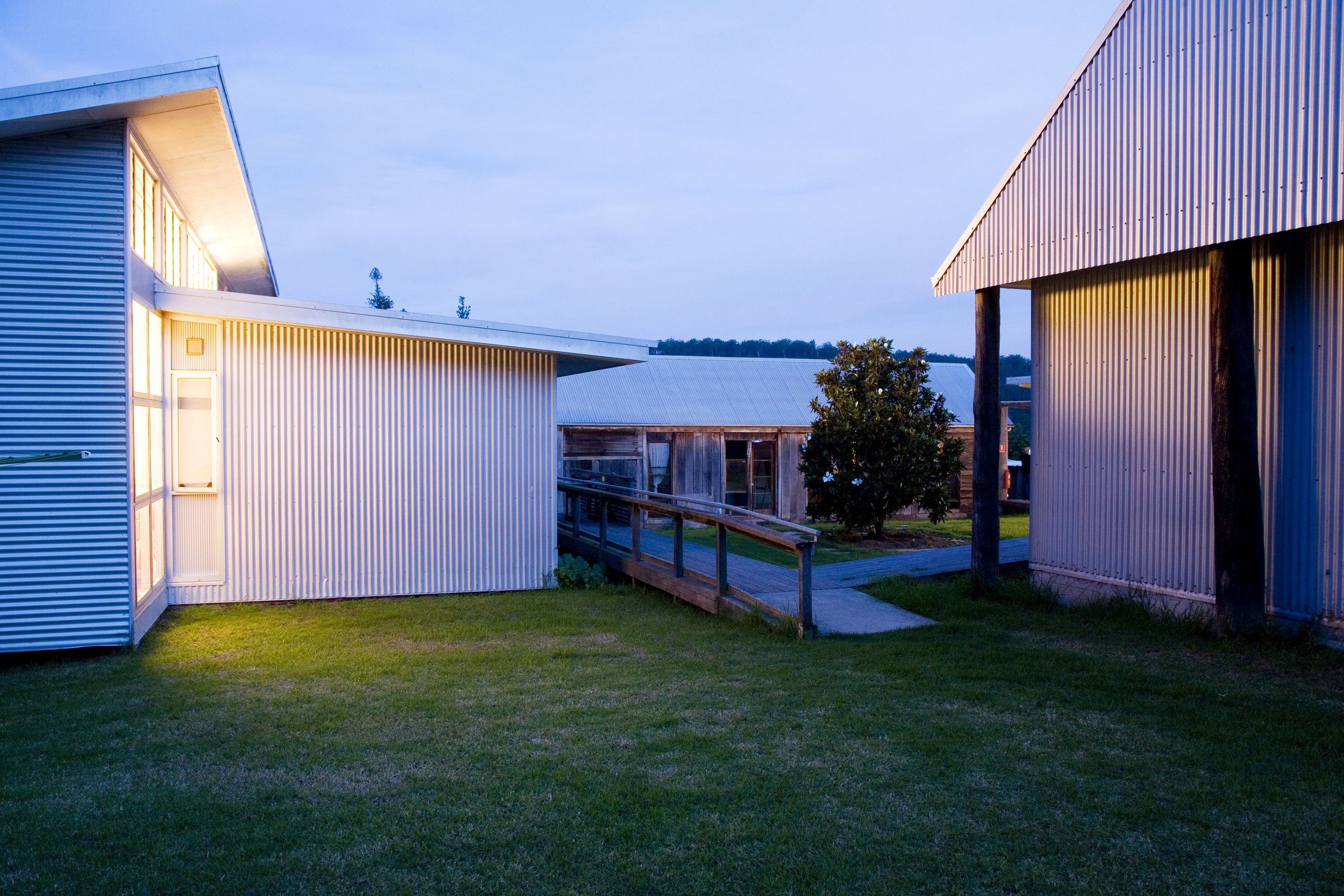
The Dobell Art Foundation funds an annual award that supports one visual artist to take up a residential studio as part of Bundanon’s Artist In Residence program.
The Residency includes a two to three week stay and an artist’s stipend. The Dobell Art Foundation makes an annual financial contribution to Bundanon to support this program.
The award is made based on the artist’s work, their proposed project, and what they aim to achieve both during and as an outcome of the residency.
This is a competitive program. Artists’ applications are short listed by an independent assessment panel at Bundanon and the Foundation decides which of the selected candidates will receive the award.
2026
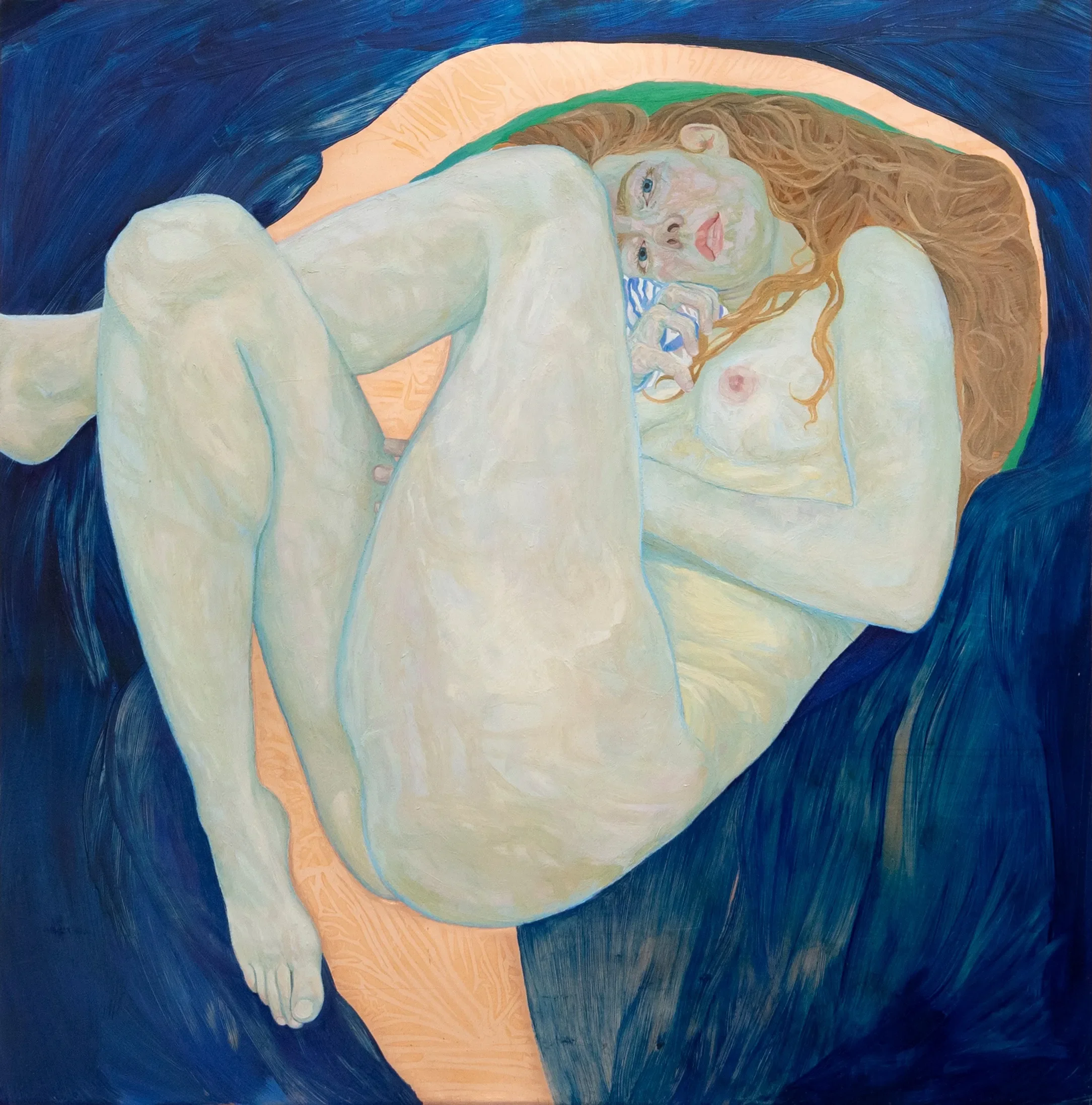
The Gaze (self-portrait after Klimt), 2021, oil on copper, 35 x 35 cm / 79 x 79 cm Natasha Walsh
Natasha Walsh, photo: Eloise Fuss“To transfix time is inherently impossible and this interests me.”
Natasha Walsh’s practice is informed by an understanding of the artist as an alchemist. Known for her transformation of pigments on copper surfaces, Walsh’s work acutely observes delicately-painted figures that emerge from the surface.
“From the moment that I prepare the surface, it begins to naturally oxidise. I experiment with applying different ground pigments which change colour in response to this process. These paintings visibly age as I work on them. As such, my attempt to transfix time is inherently impossible and this interests me.”
2025
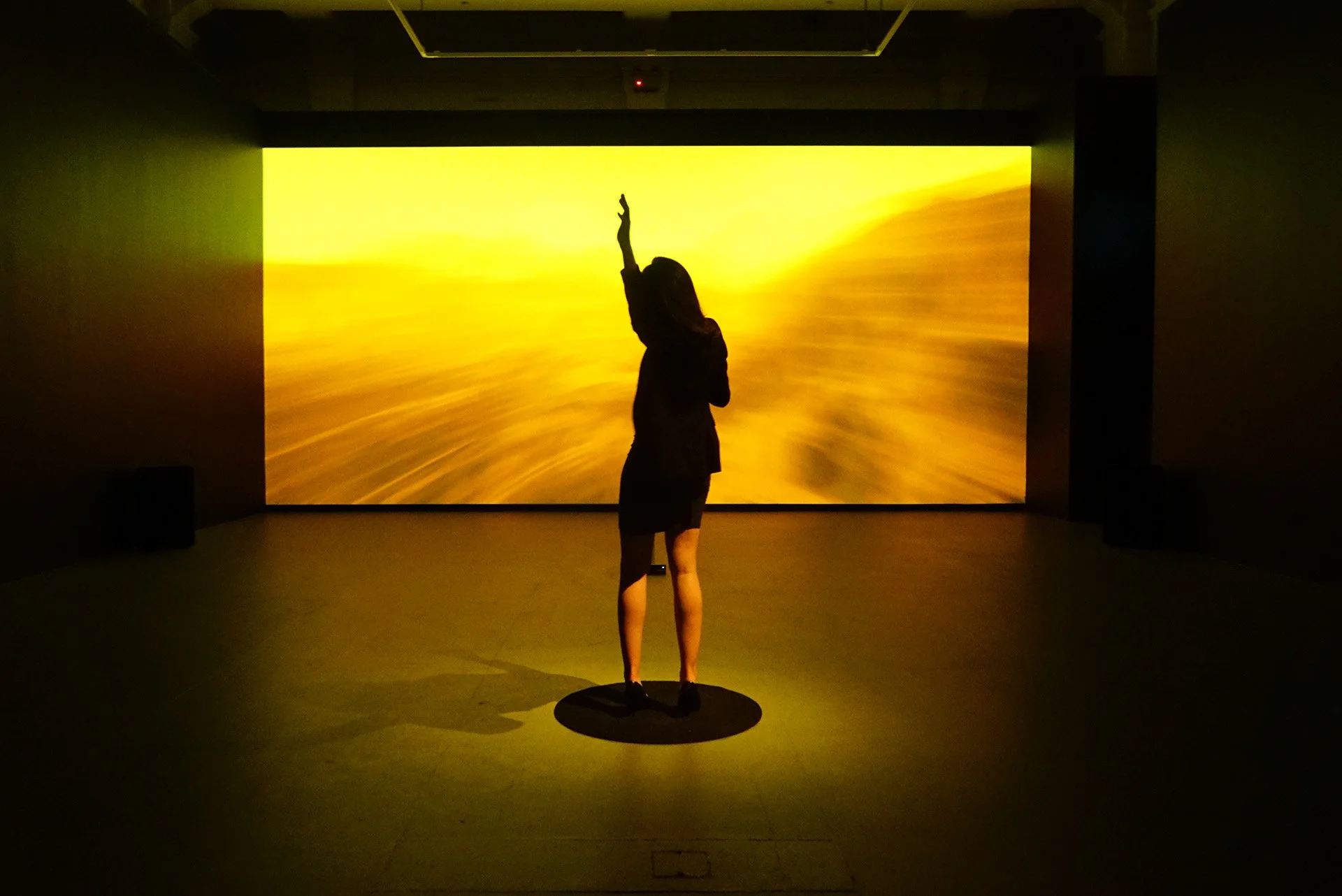
Energies:Haines & Hinterding. Perth Institute of Contemporary Art, Perth, Western AustraliaHaines & Hinterding
David Haines and Joyce Hinterding“Revealing the unseen and the unheard”
The work of Haines & Hinterding challenges conventional notions of perception and reality.
Their collaborative practice fuses their individual interests - a focus on concepts of hallucination and the natural world and an investigation of energetic forces. Their work is an exploration of the unseen, of revelation, spatial dynamics and sensory experience.
Through their continued engagement with energetic forces they encourage us to marvel at the wonders of the universe and to feel the energies, curiosities and sensations of the world around us.
2024
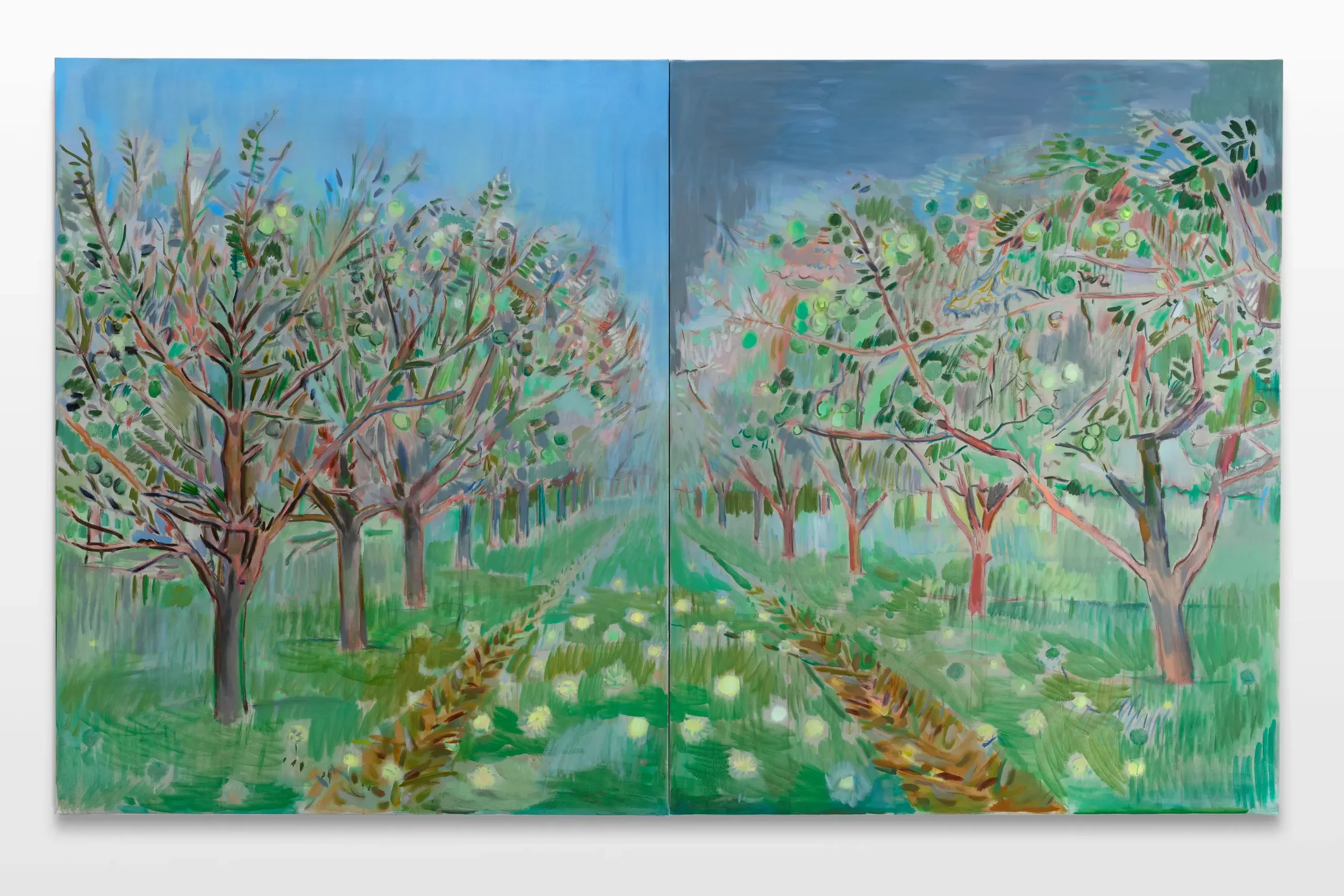
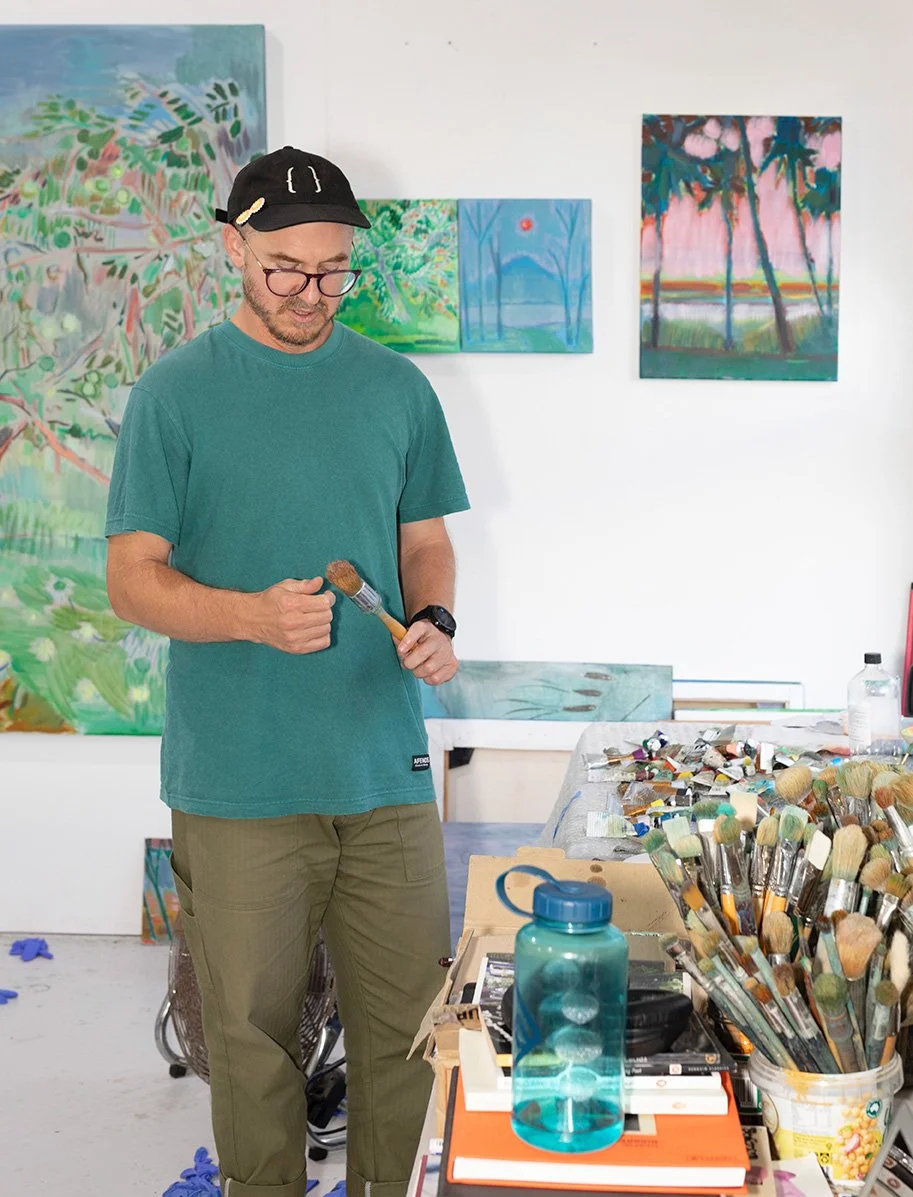
Seth Birchall, You Must Look After Your Friends, 2024, 1680 x 2750cm, oil on canvas, (Diptych) Seth Birchall
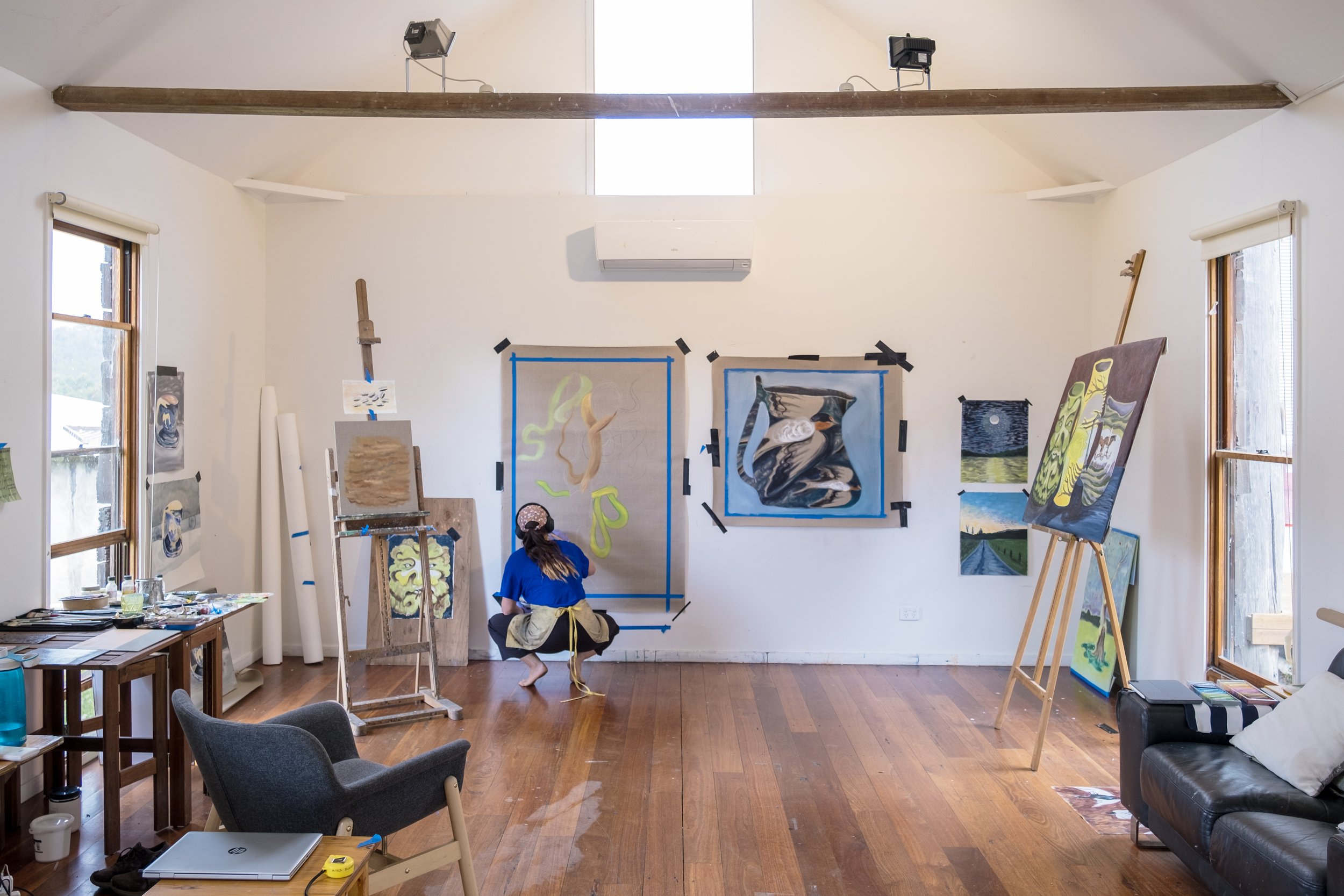
Seth Birchall pictured in his studio, photographed by Jessica Maurer“The solitude allowed me to set aside distractions providing valuable space for reflection.”
Seth Birchall’s practice explores landscape as both an emotional and psychological terrain. Through expressive brushwork and moody light, his works invite viewers into meditative spaces that evoke both contemplation and connection.
Drawing from found photographs, memory, and observations of Australia and Bali, his paintings construct imagined worlds that pulse with colour, atmosphere and movement. Layering references from Romanticism, Australian Tonalism, Impressionism and Japanese Ukiyo-e prints, Birchall creates luminous compositions that appear in constant flux — shifting between interior states and the natural world.
ARTIST EXPERIENCE
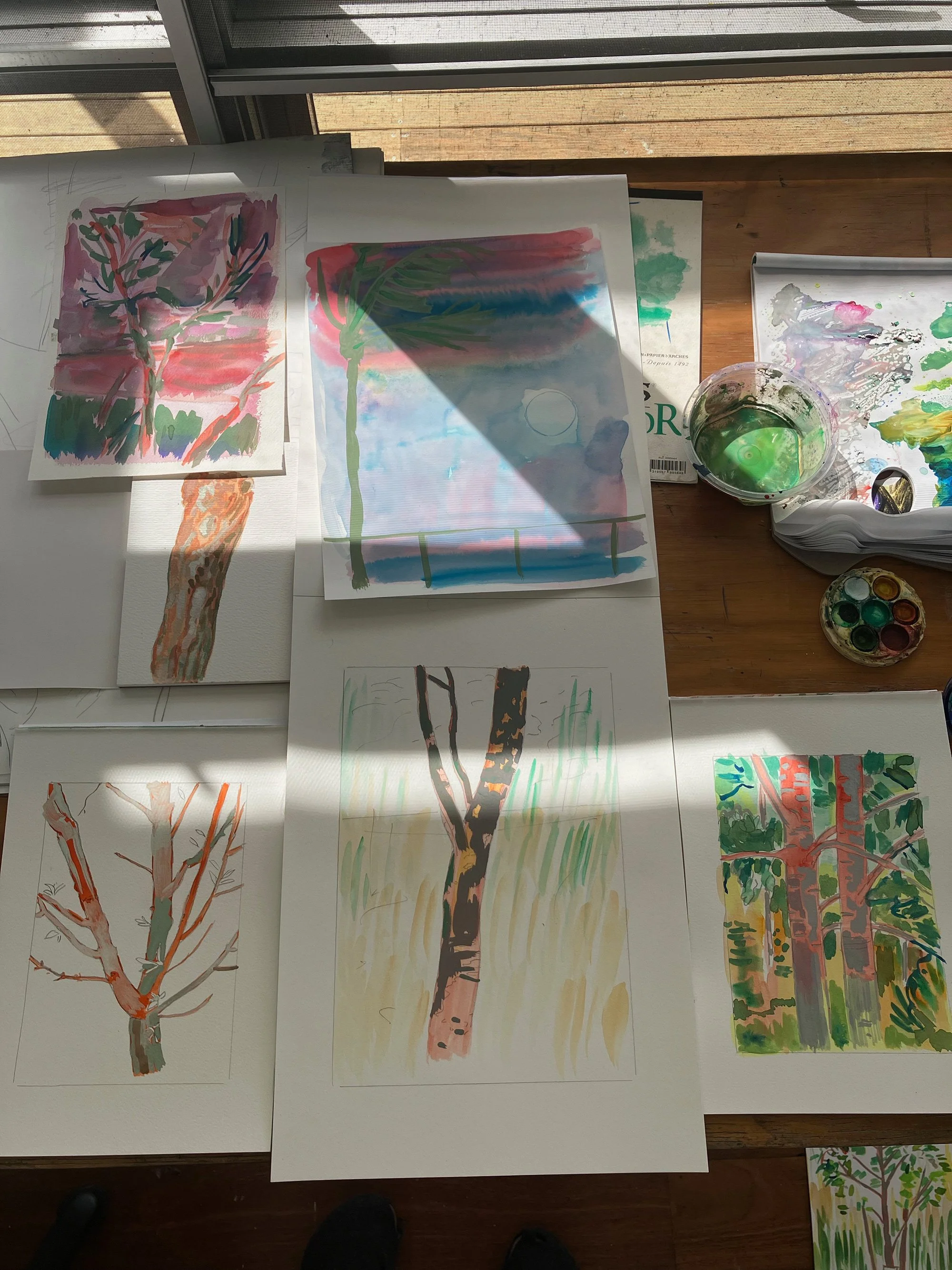
During my two weeks in the Fern Studio at Bundanon (25 March to 7 April), made possible by the generosity of the Dobell Art Foundation, I had the opportunity to slow down and focus. I spent my time walking, reading, sketching, and painting small gouaches. I also allowed myself time to build on my research images, develop ideas around colour, and return to a daily drawing practice, keeping things simple. The solitude allowed me to set aside distractions, providing valuable space for reflection and clarity. I was able to engage deeply with my work in a way that wouldn’t have been possible in my daily life, fully appreciating both productive and quiet moments. It was a time to recharge, gain fresh perspective, and return with renewed energy to continue my creative work
“
”
2023
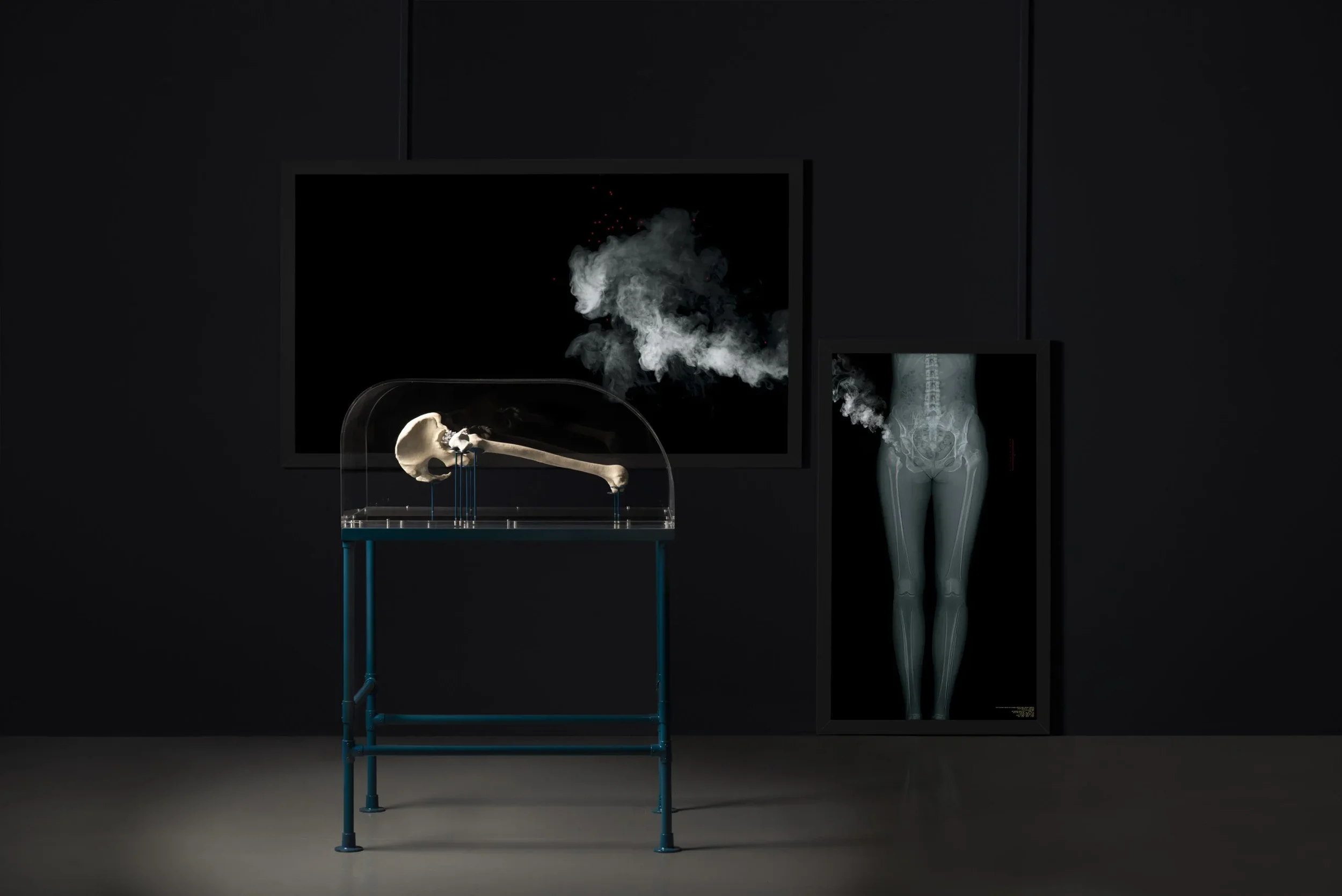
Helen Pynor, Habitation, 2021, Unglazed bone china (made from the artist's bone removed during surgery, supplemented by animal bone), unglazed earthenware, felt, coral, metal, acrylic, archival pigment prints, light boxesHelen Pynor
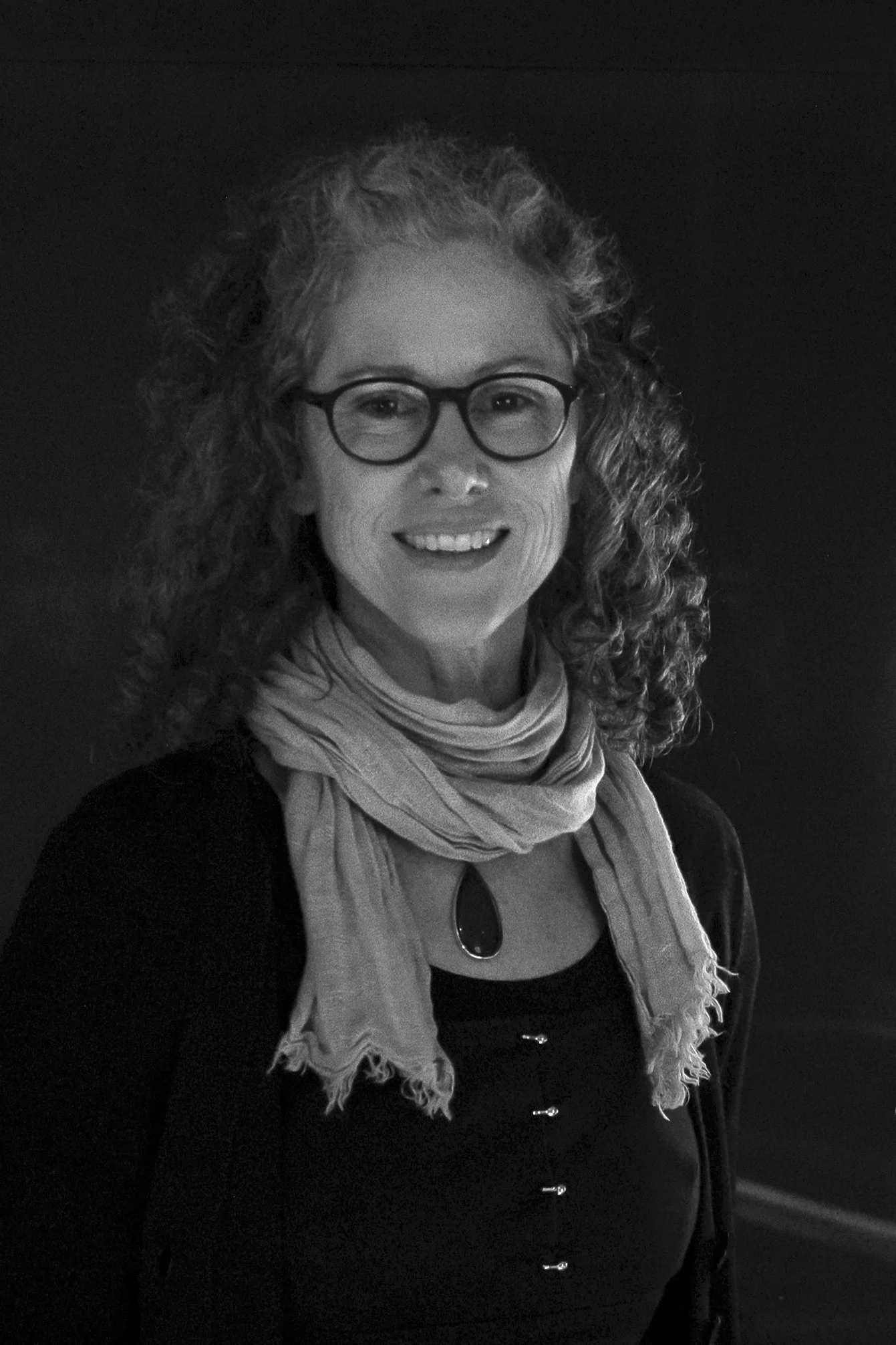
Helen Pynor "My project explores forms of listening and forms of paying homage.”
Dr Helen Pynor is an Artist and Researcher whose practice explores the materiality of human and non-human bodies, and philosophically and experientially ambiguous zones, such as the life-death boundary and the animate-inanimate boundary in relation to prosthetics. Pynor works with living and ‘semi-living’ cells, organs and biomolecules such as DNA, and in a recent work her own surgically excised bone material. She works across installation, media art, photography, video, sculpture, microscopy and performance.
ARTIST EXPERIENCE
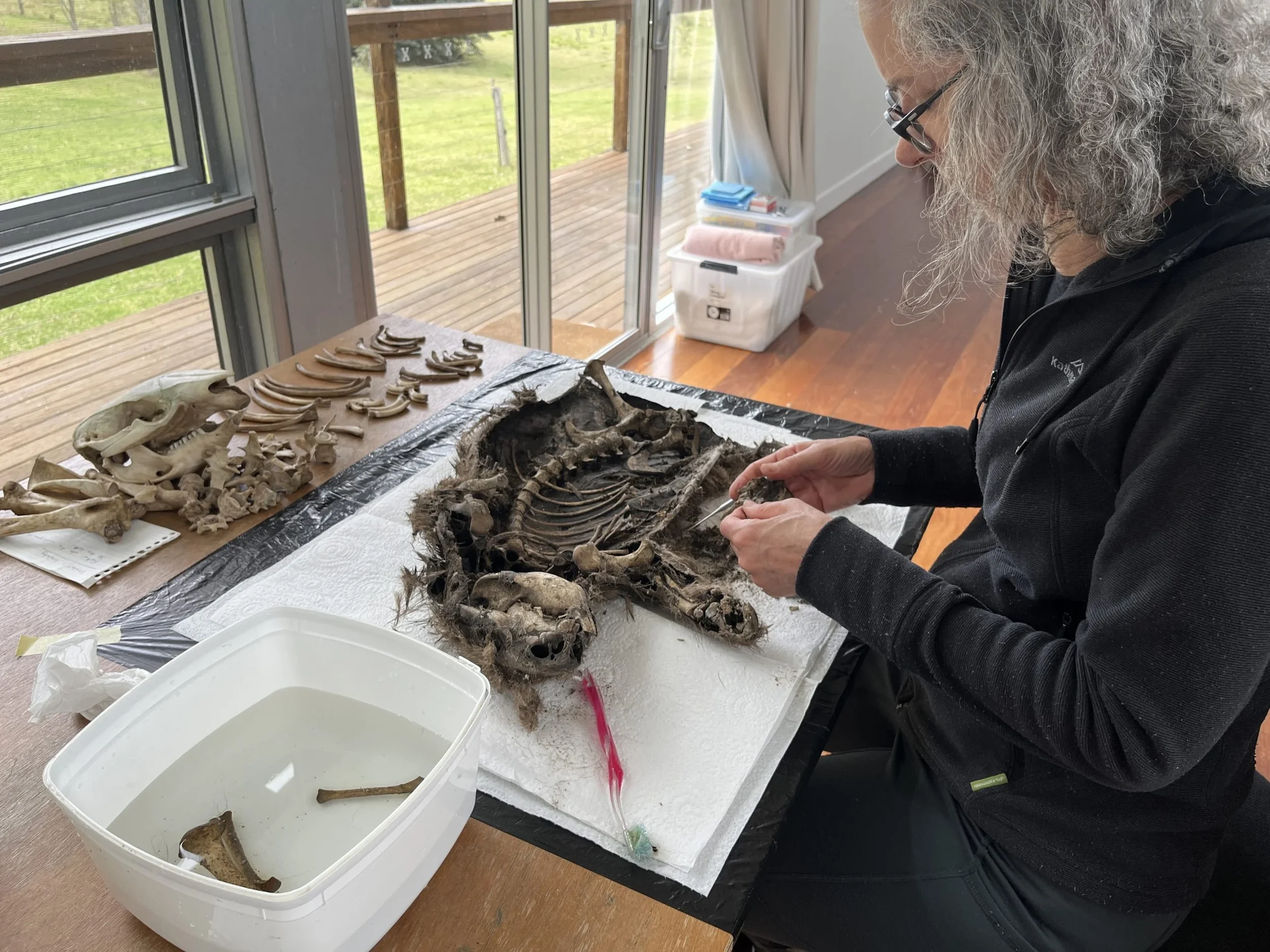
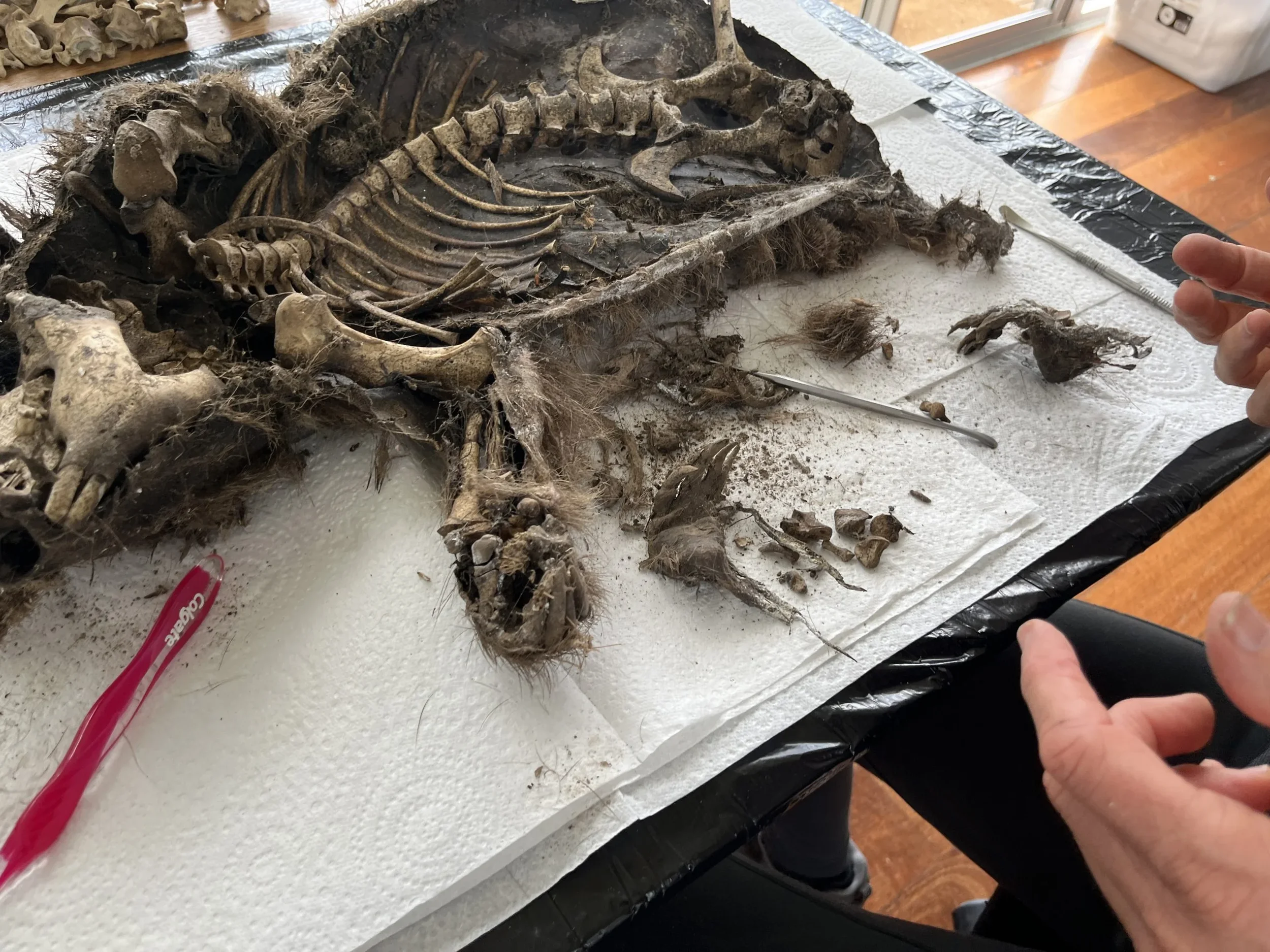
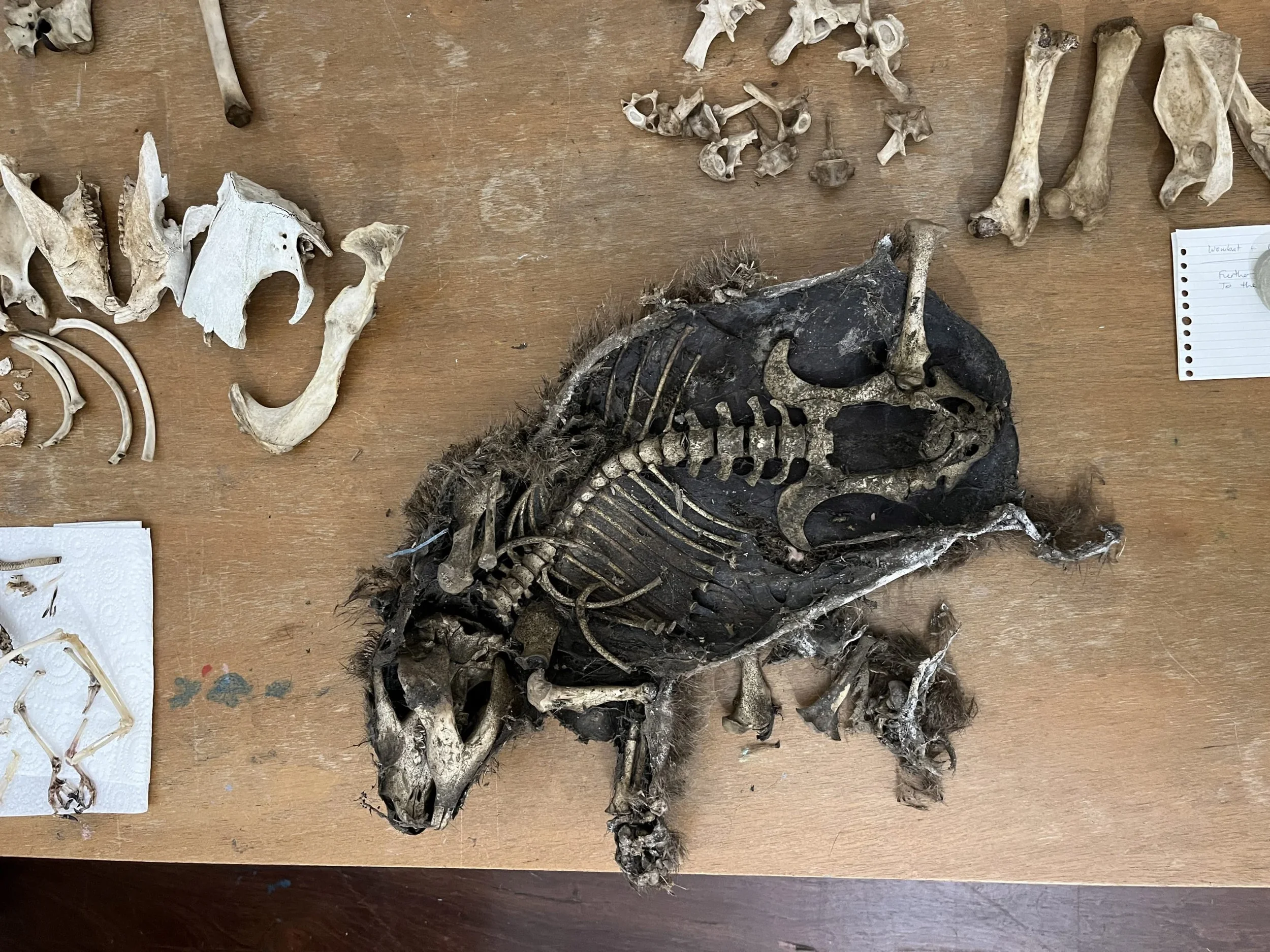
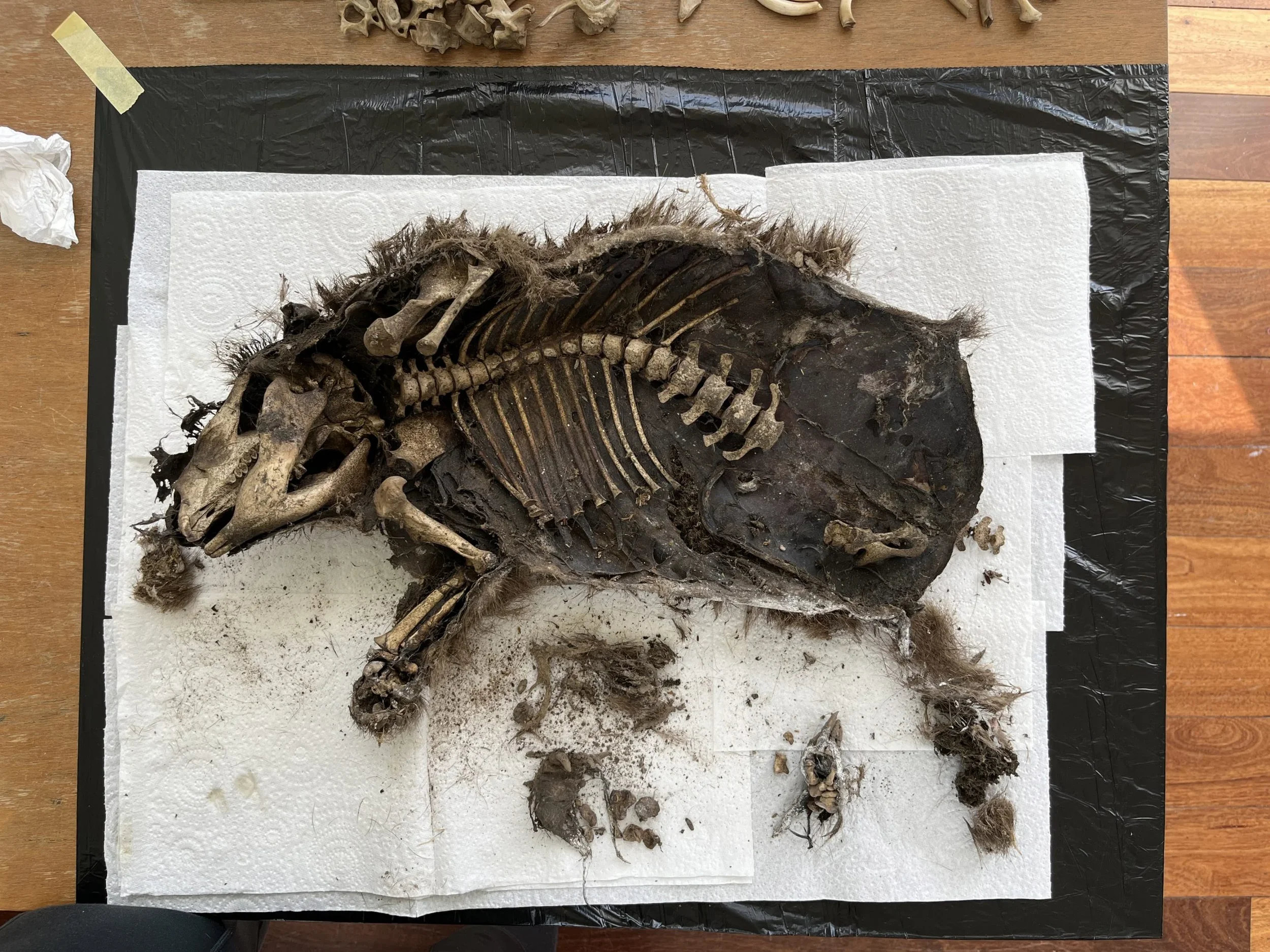
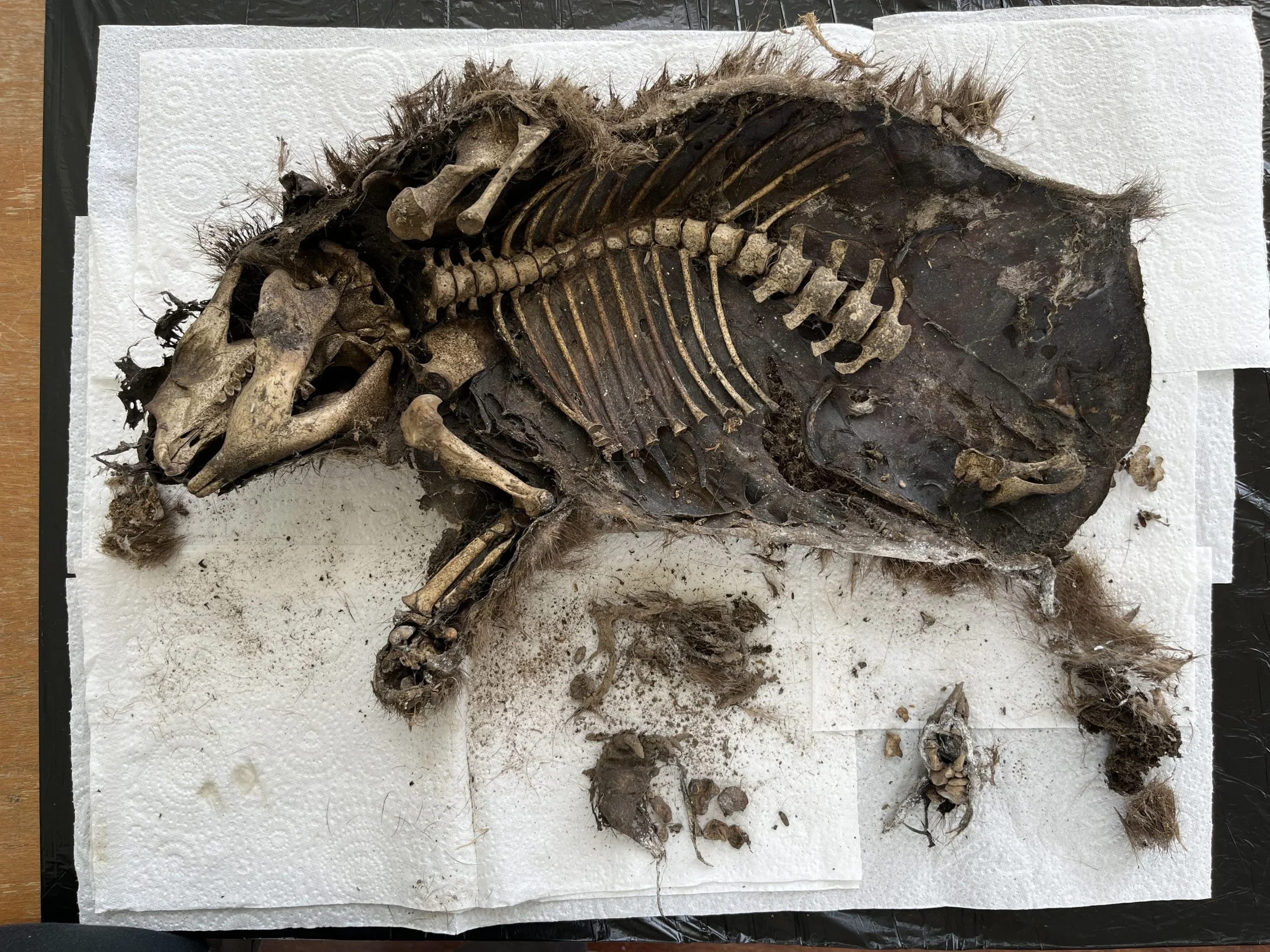
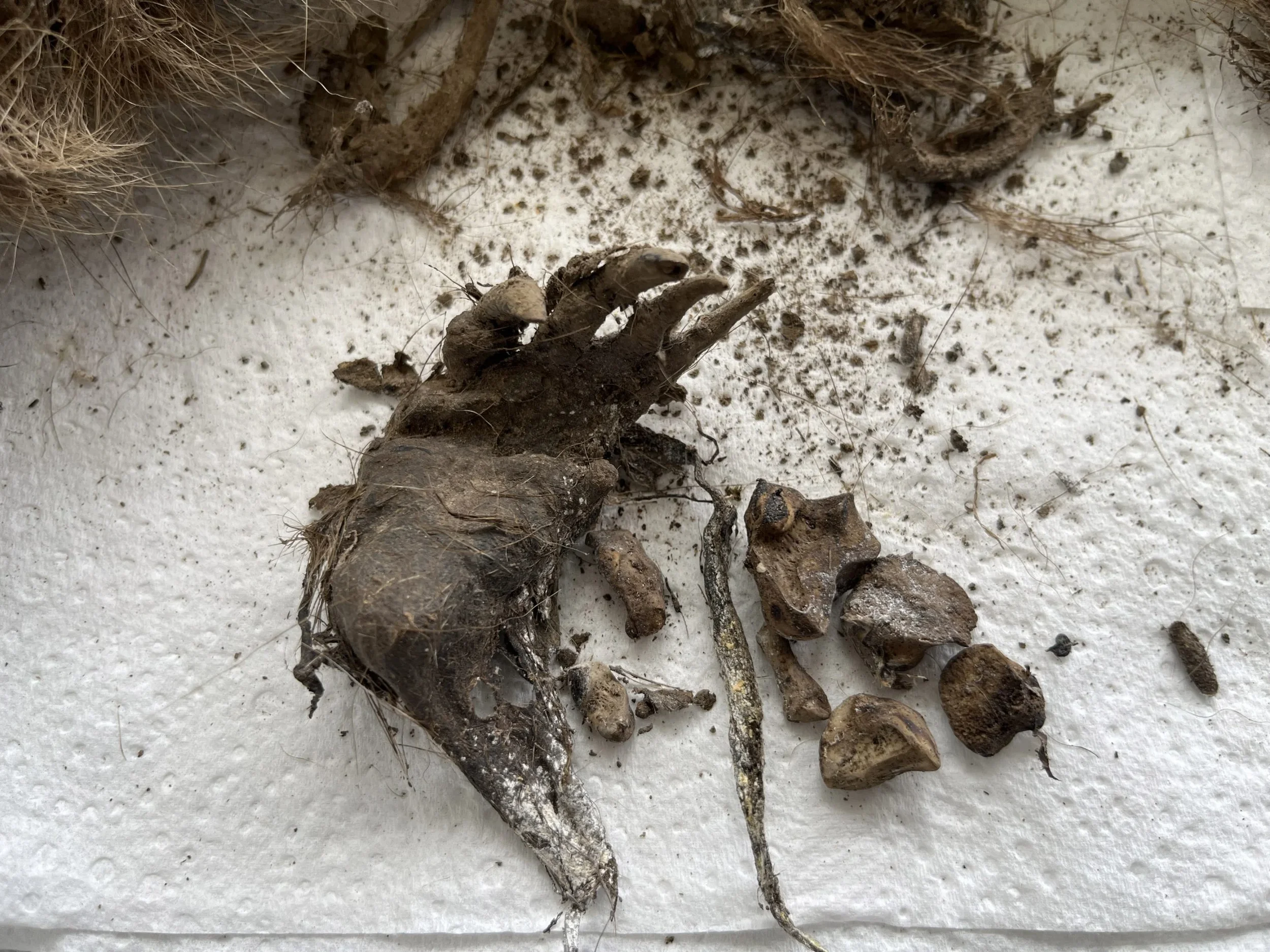
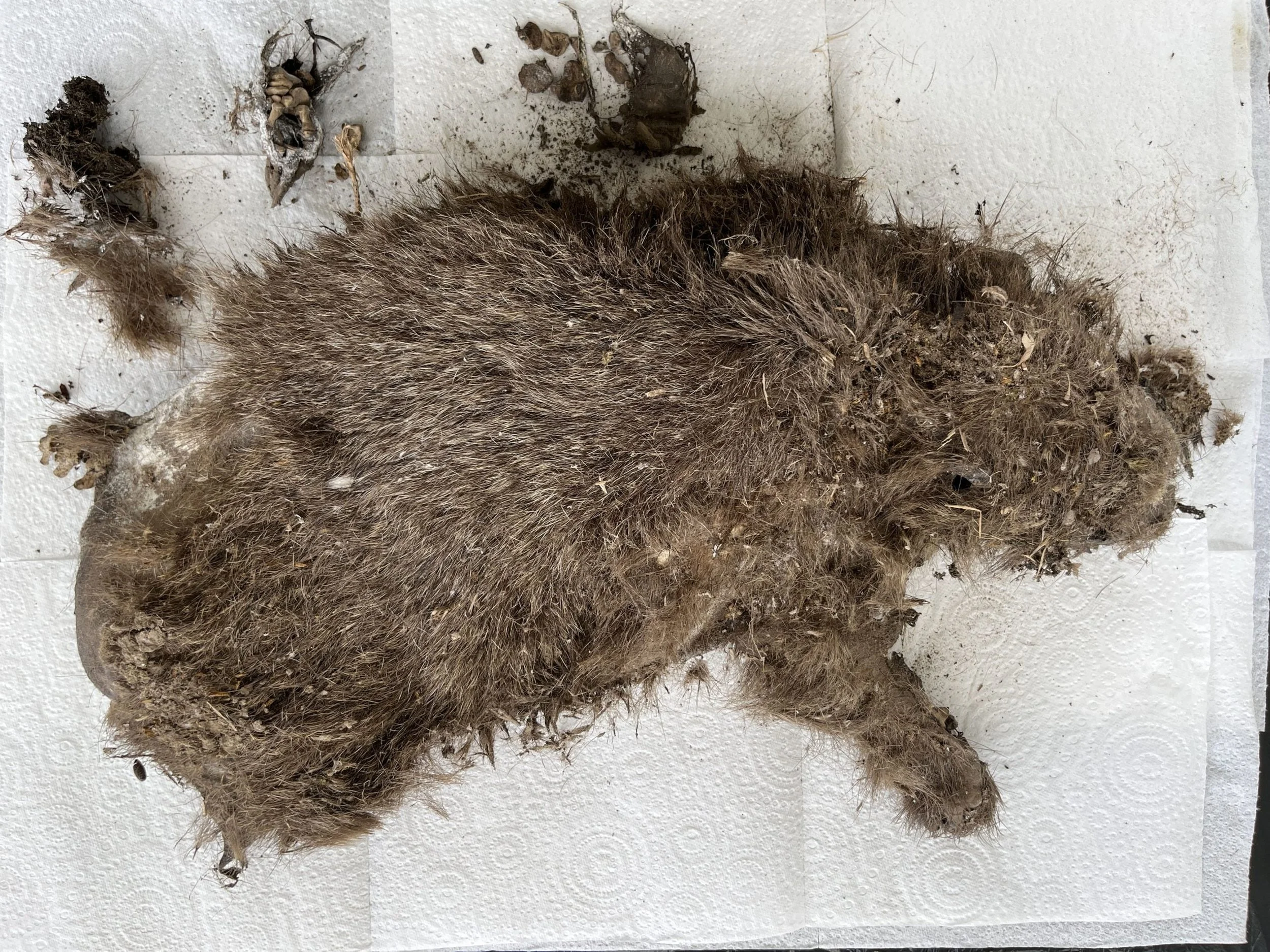
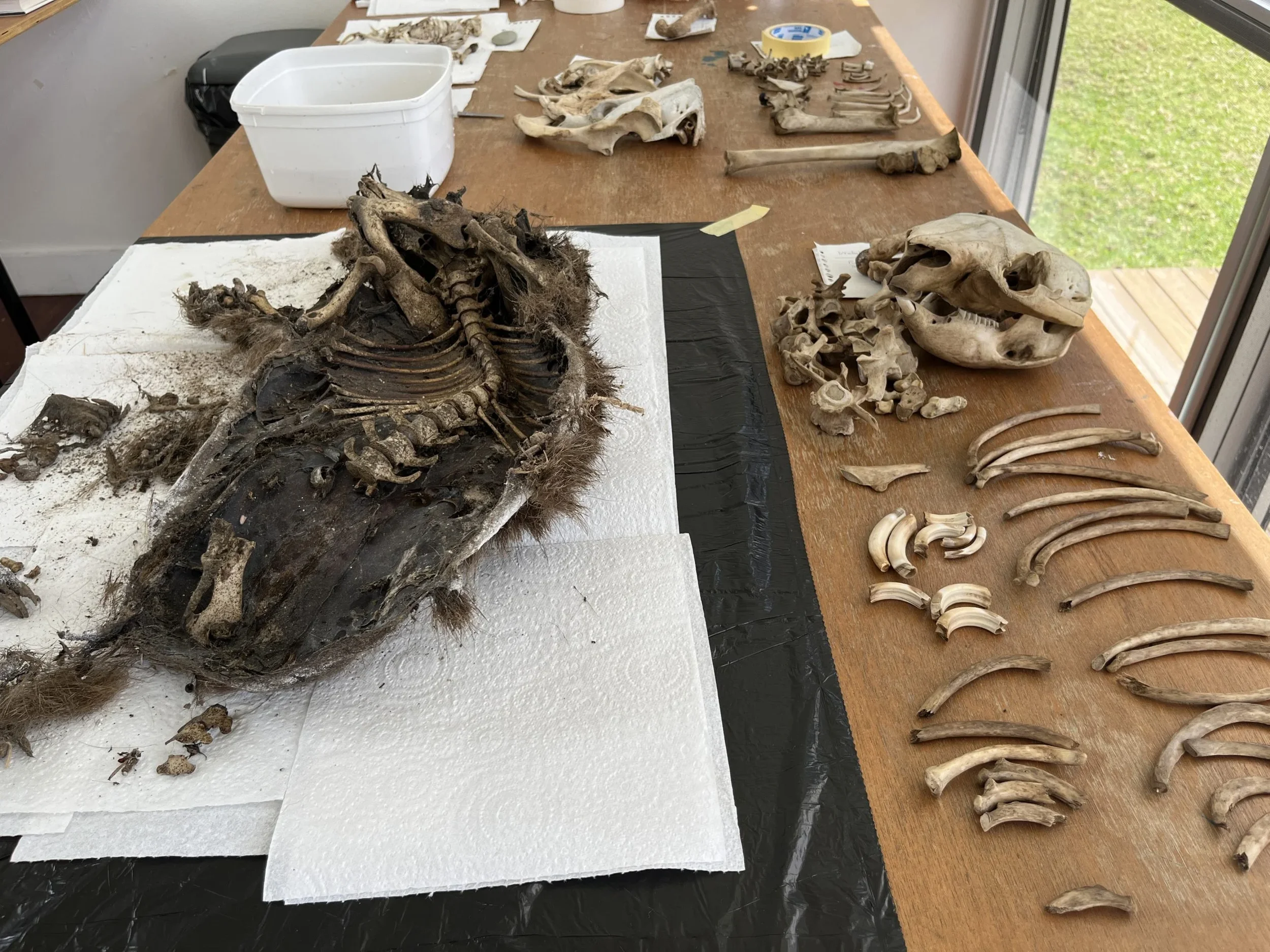
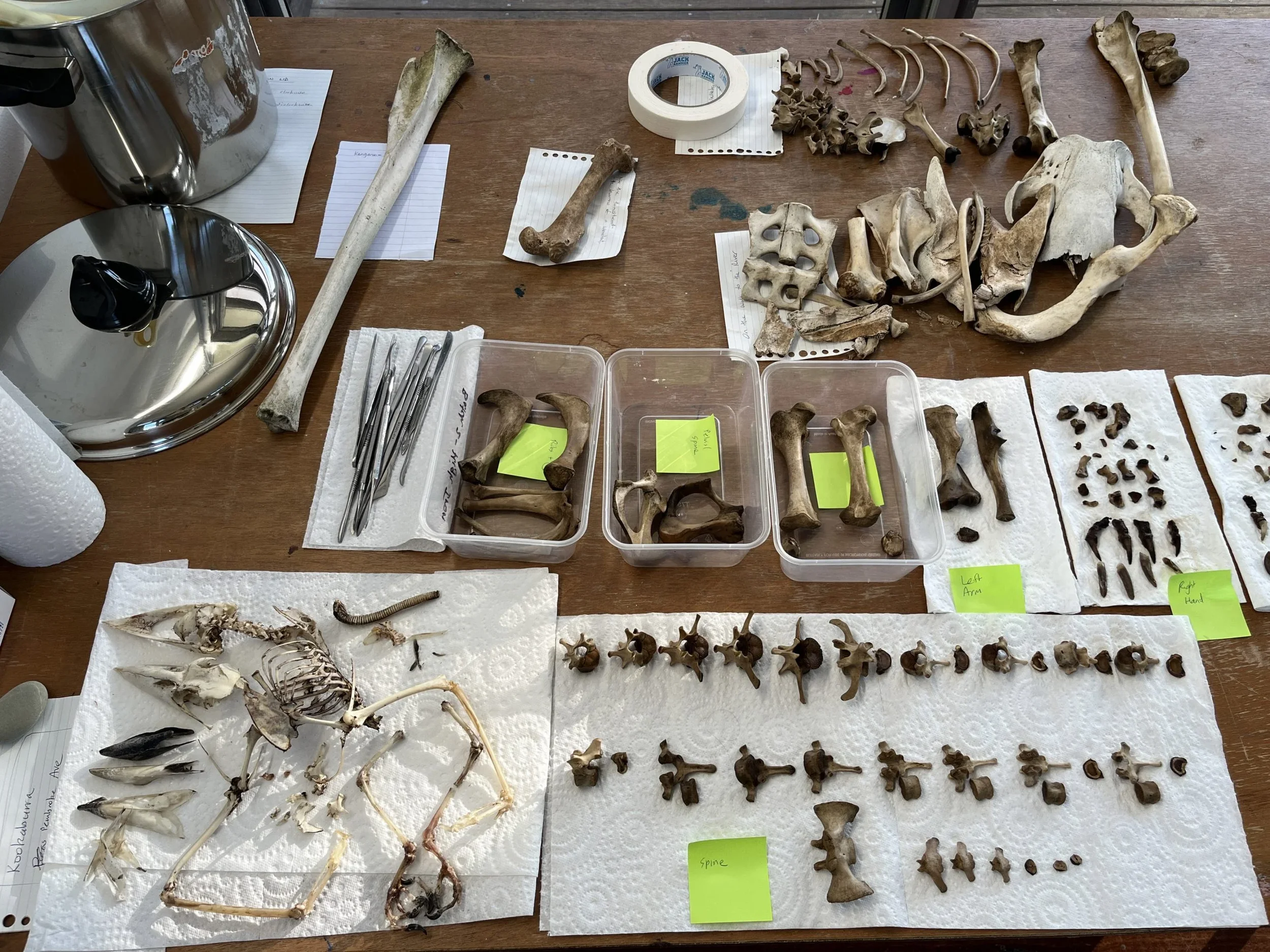
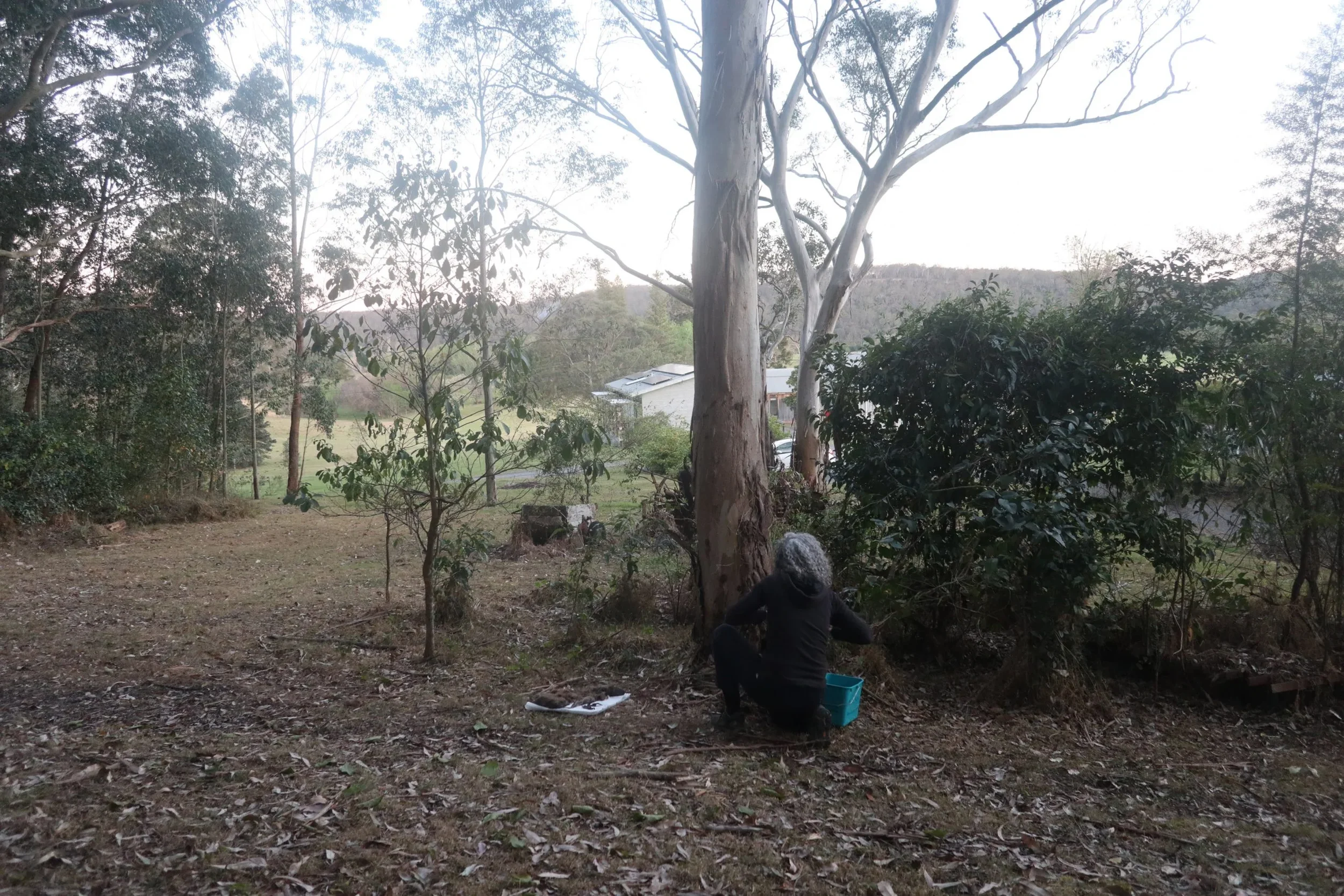
While in residence at Bundanon I developed my project exploring the interspecies ‘companionship’ between animals and minerals, and more specifically the animal-calcium ‘kinship’ that has led to the evolution of bones. I spent time studying animal bones on-site at Bundanon, especially wombat and kangaroo bones, marsupials who are resident in magnificent abundance. I am using native fauna bones to make bone china objects, bringing into dialogue two seemingly incongruent ideas: the ‘animality’ of bone china, and the ‘minerality’ of animals. I’m interested in the metaphoric and deconstructive gesture this offers, revealing underlying structures of material connectivity between animal and mineral, living and non-living, not immediately available to our sensory perception. My project also explores forms of listening (human, marsupial, bird) and forms of paying homage.
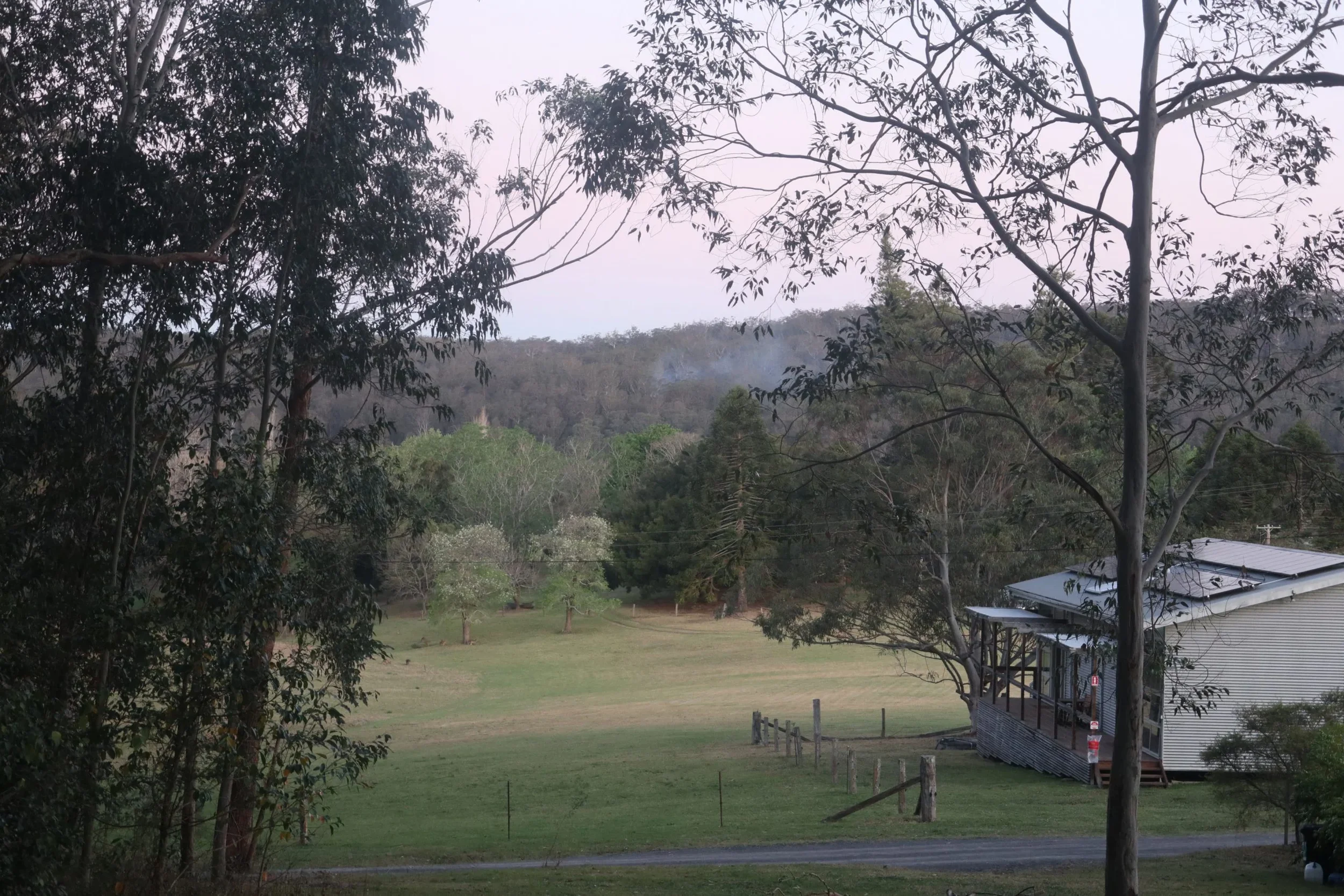
The 2 weeks I was in residence at Bundanon offered me an intensive, immersive, uninterrupted time to sink into the imaginative and material spaces of the project, and forms of nourishment that are unique to this place. I’m beyond grateful for the opportunity and wish to thank the Sir William Dobell Art Foundation and the Bundanon Trust for their generous, timely and thoroughly ‘on-topic’ support. I feel myself part of a long line of artists, stretching into the past and future, who have been and will be nourished by this place, which in itself was comforting, generative and inspiring.
“
”
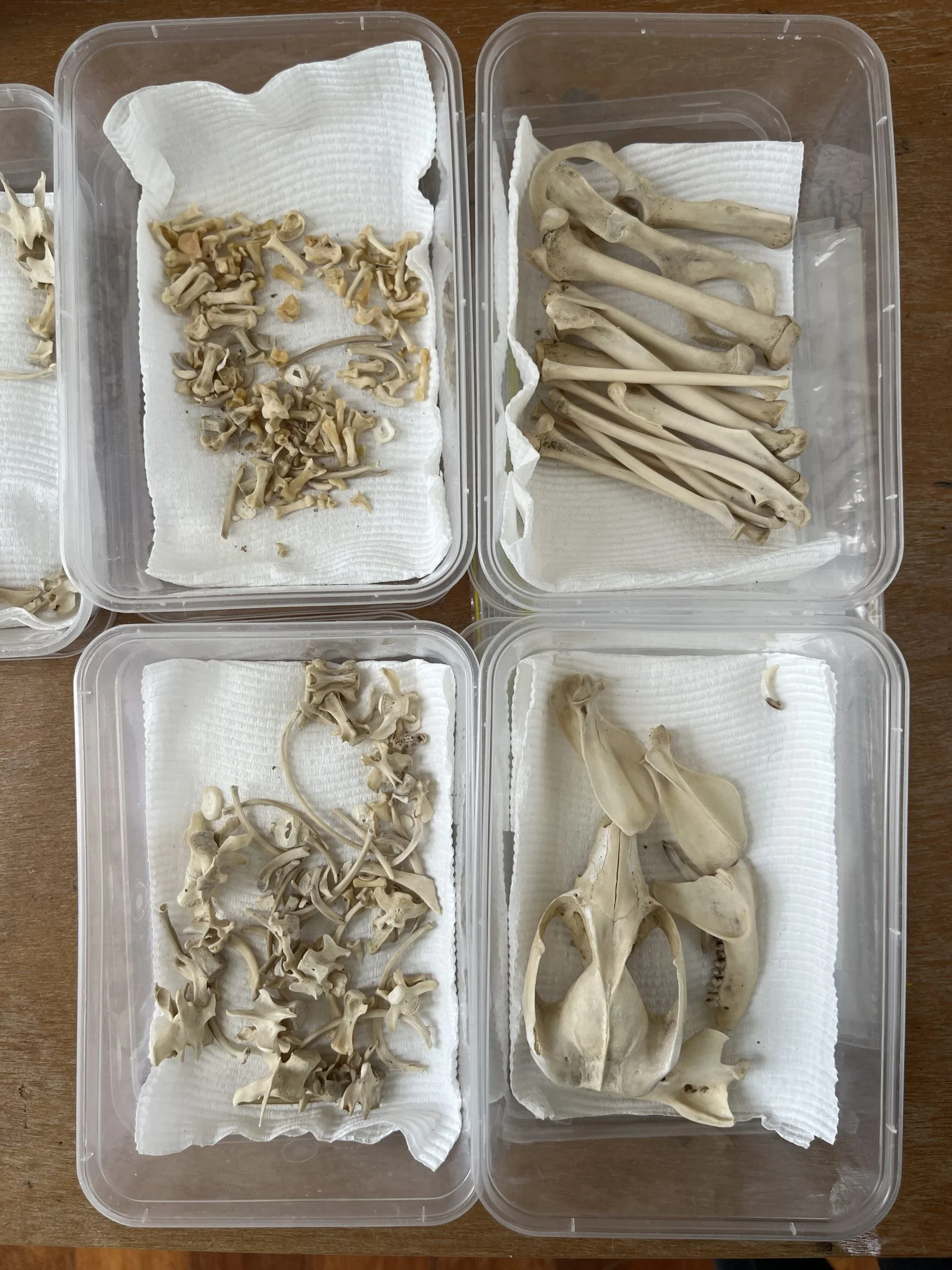
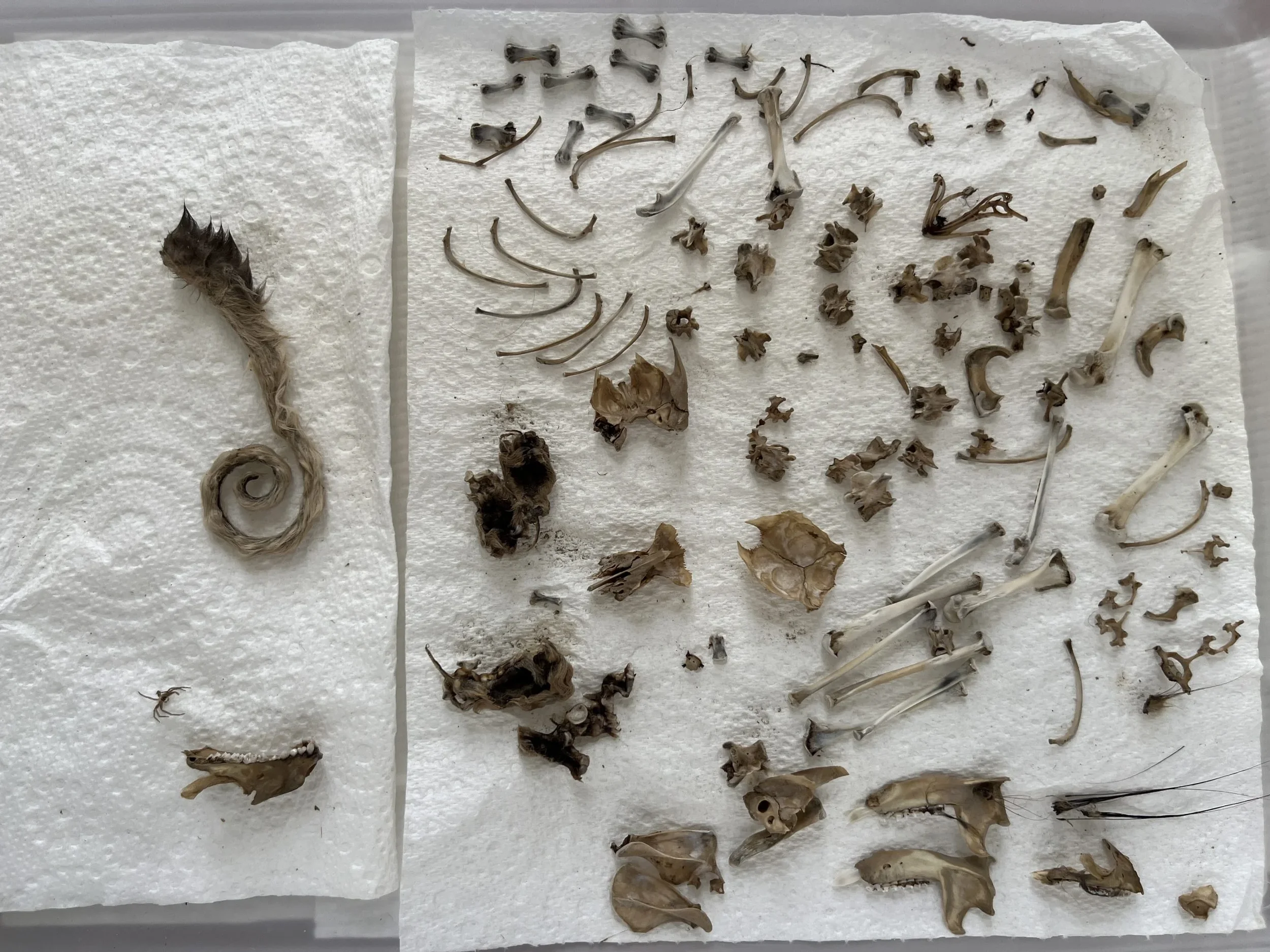
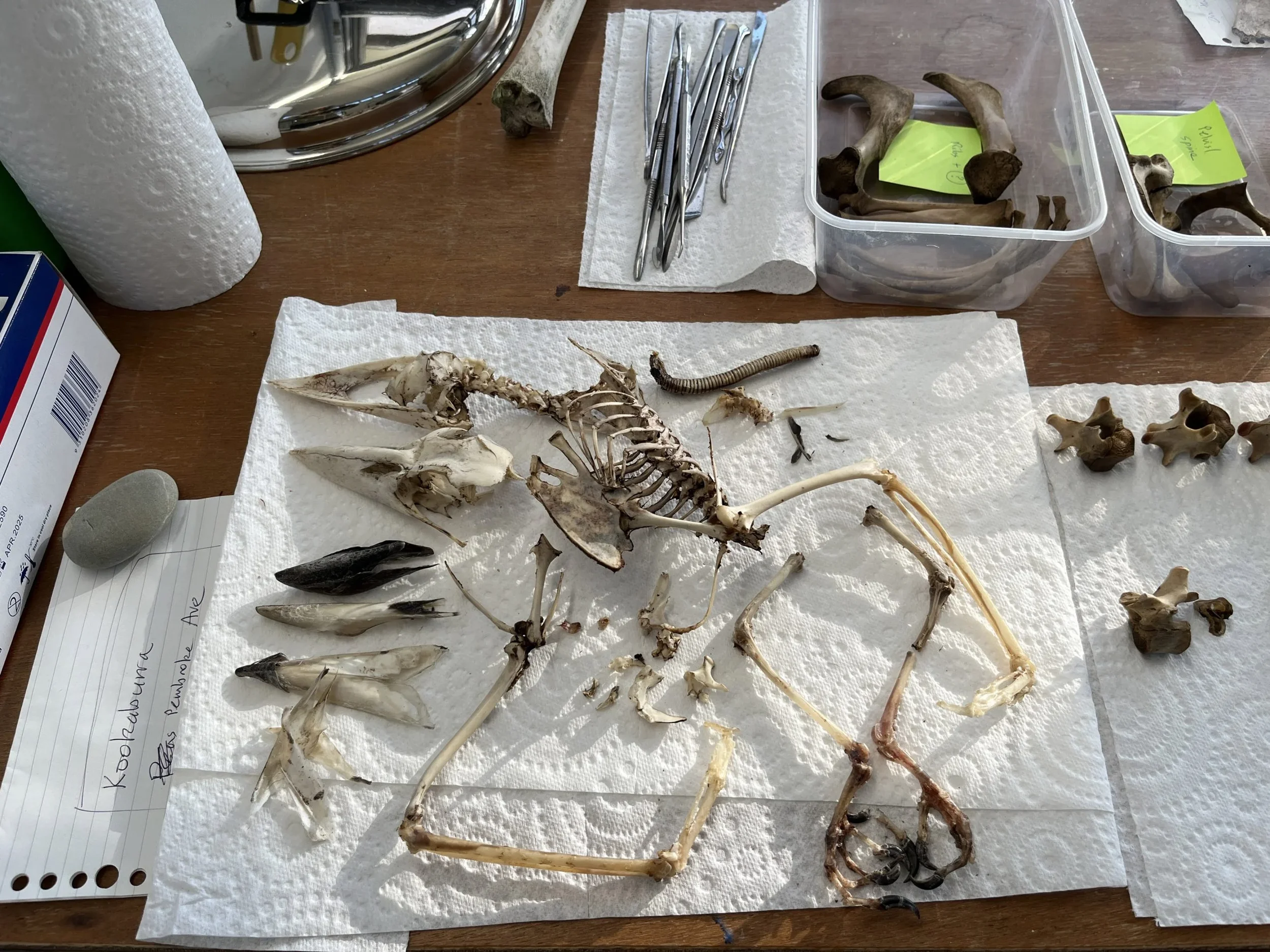
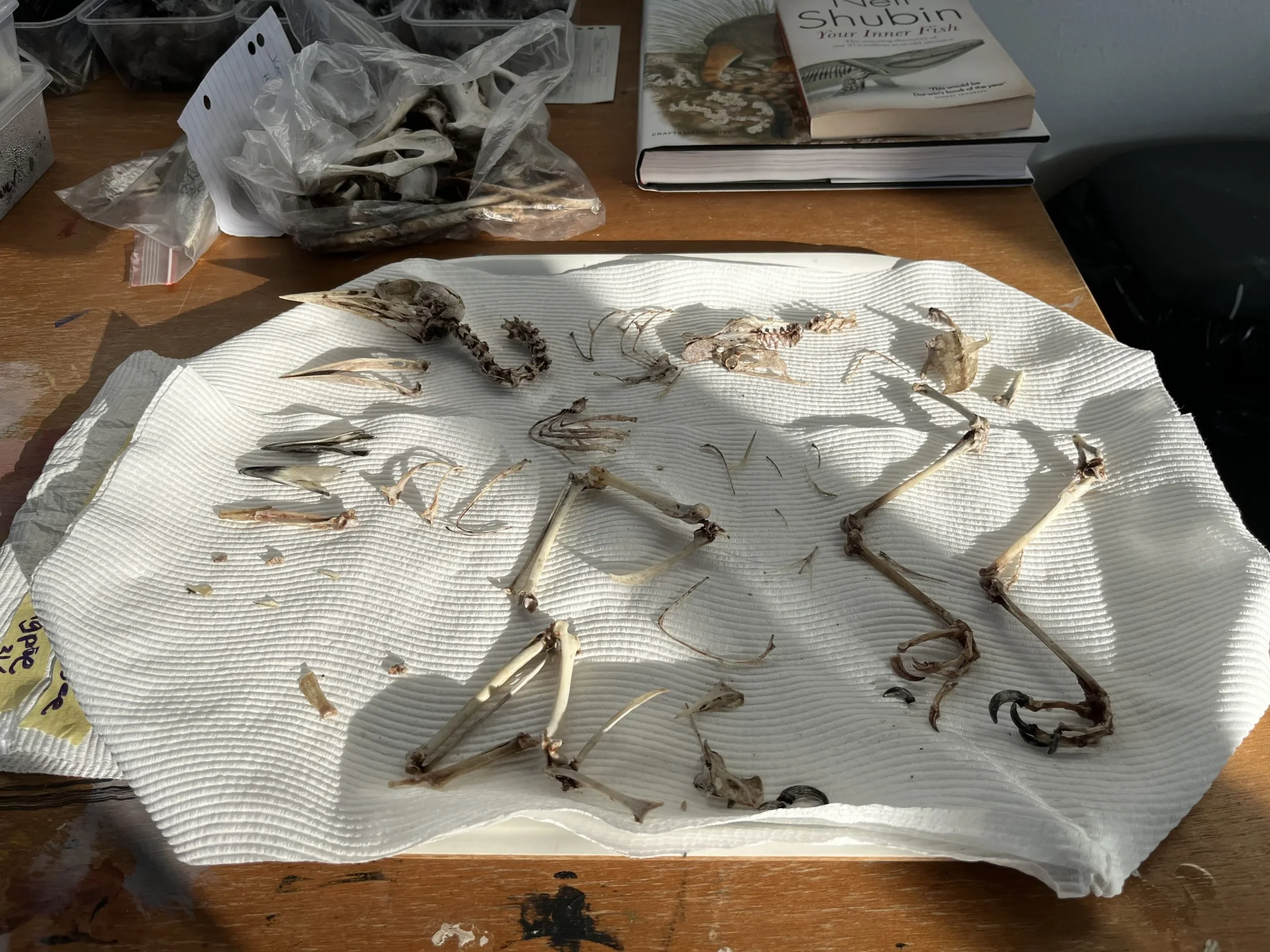
2022
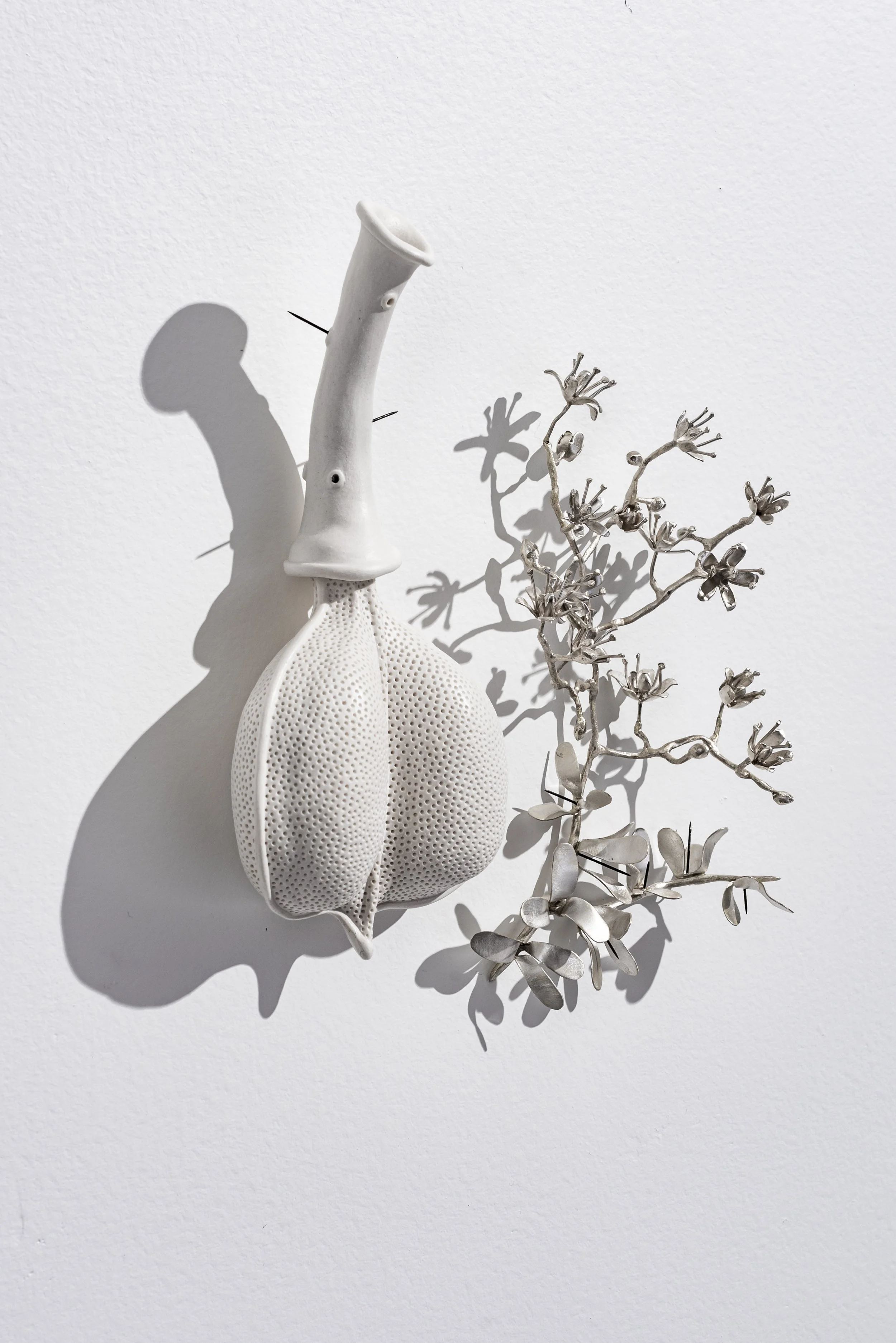
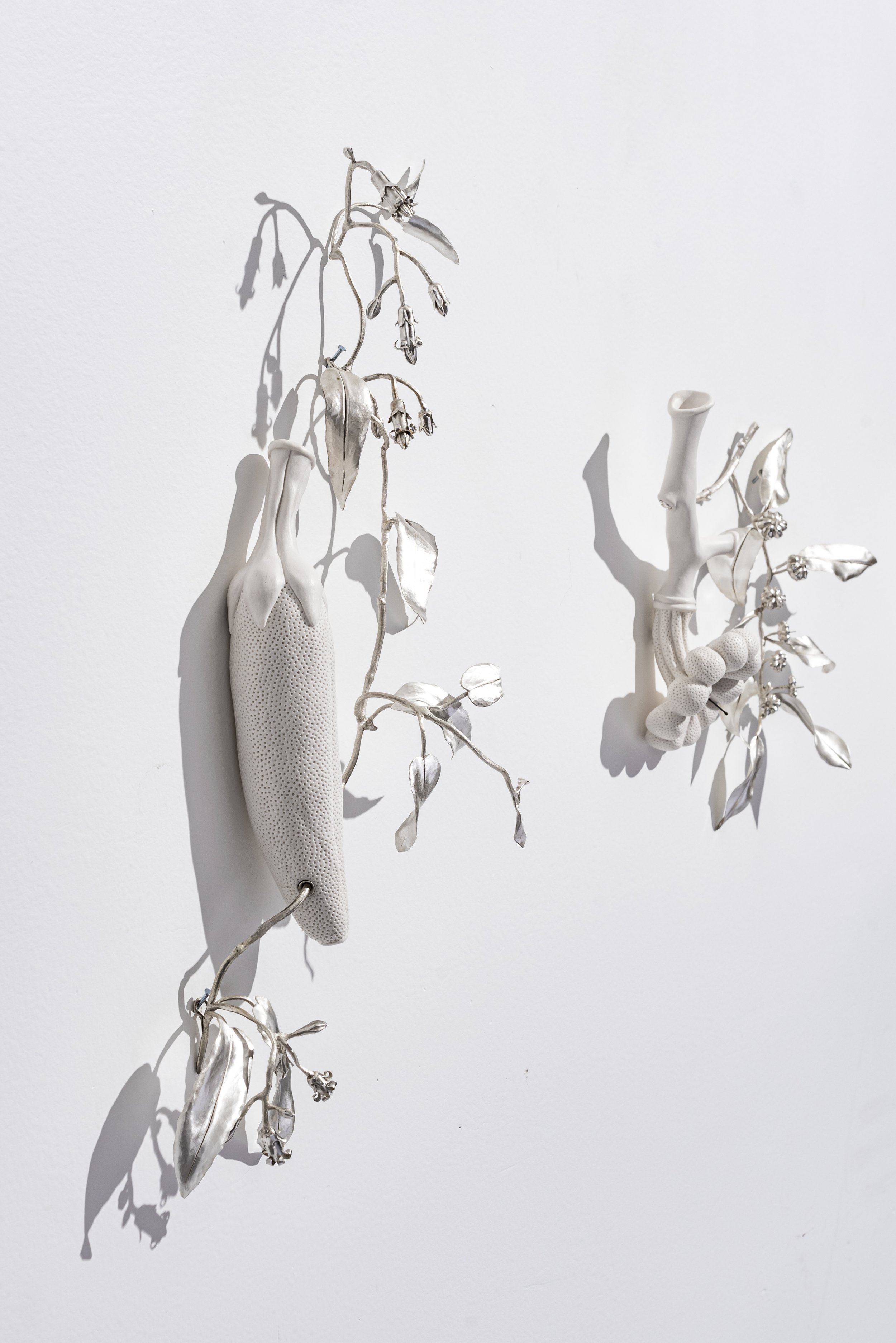
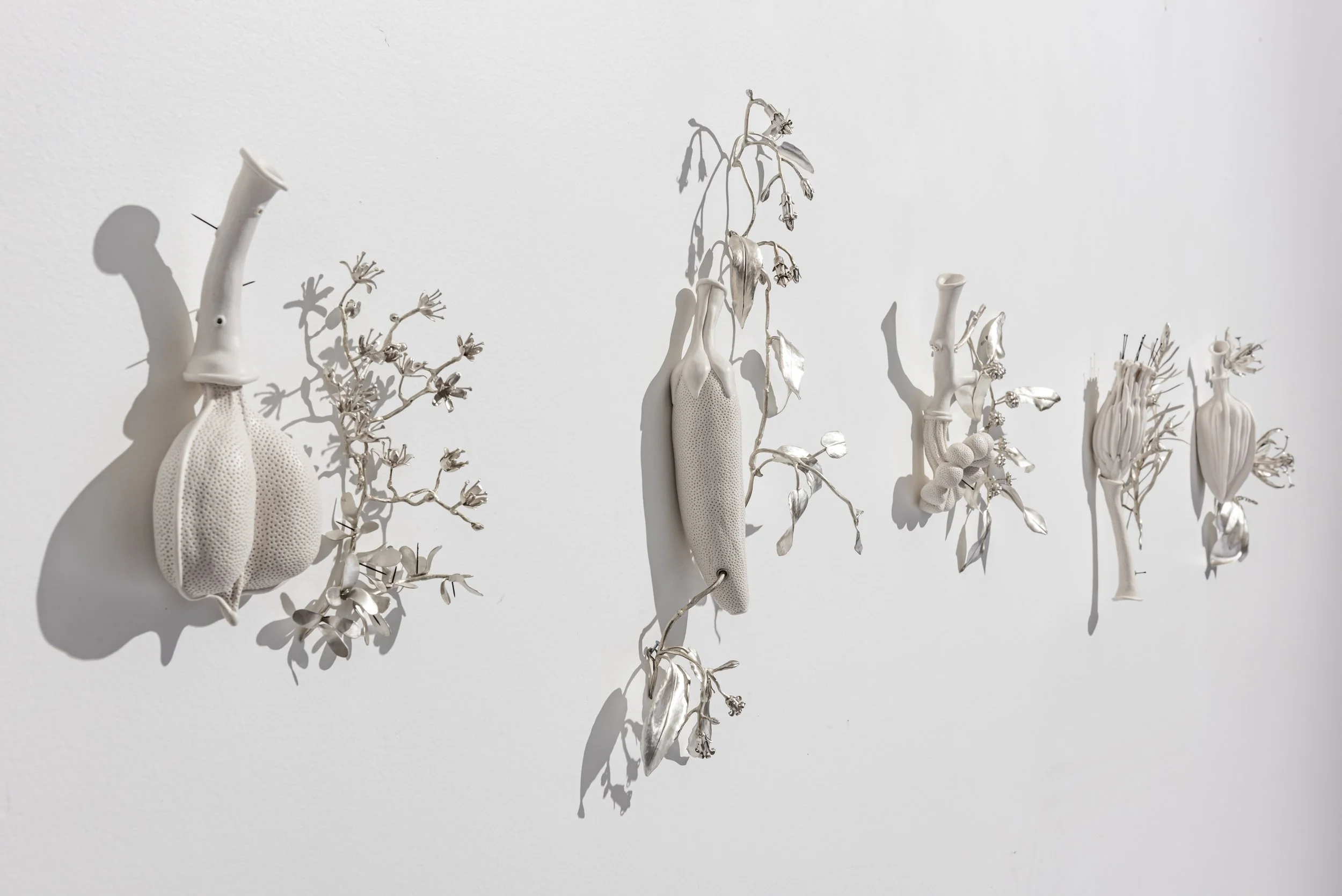
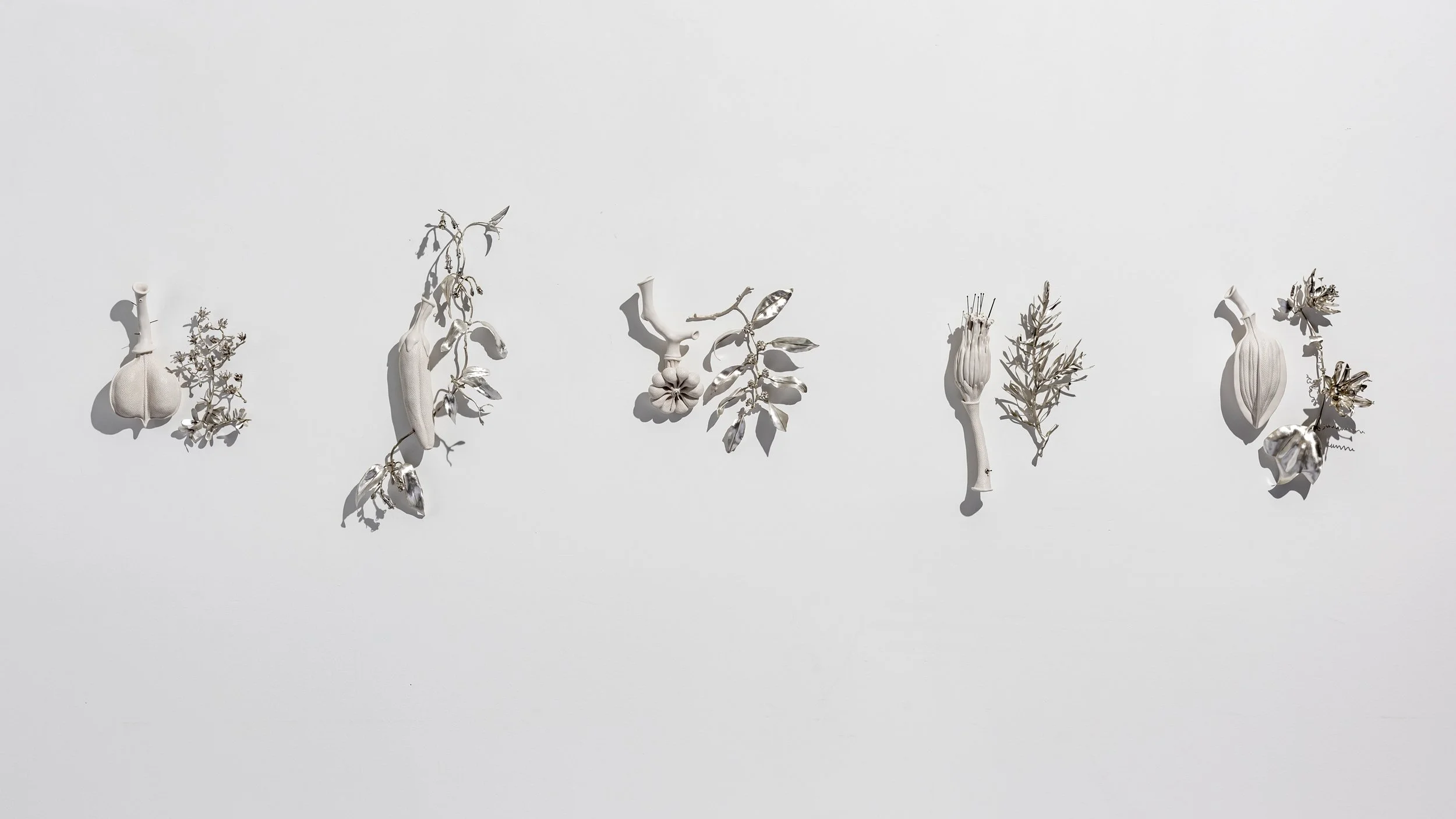
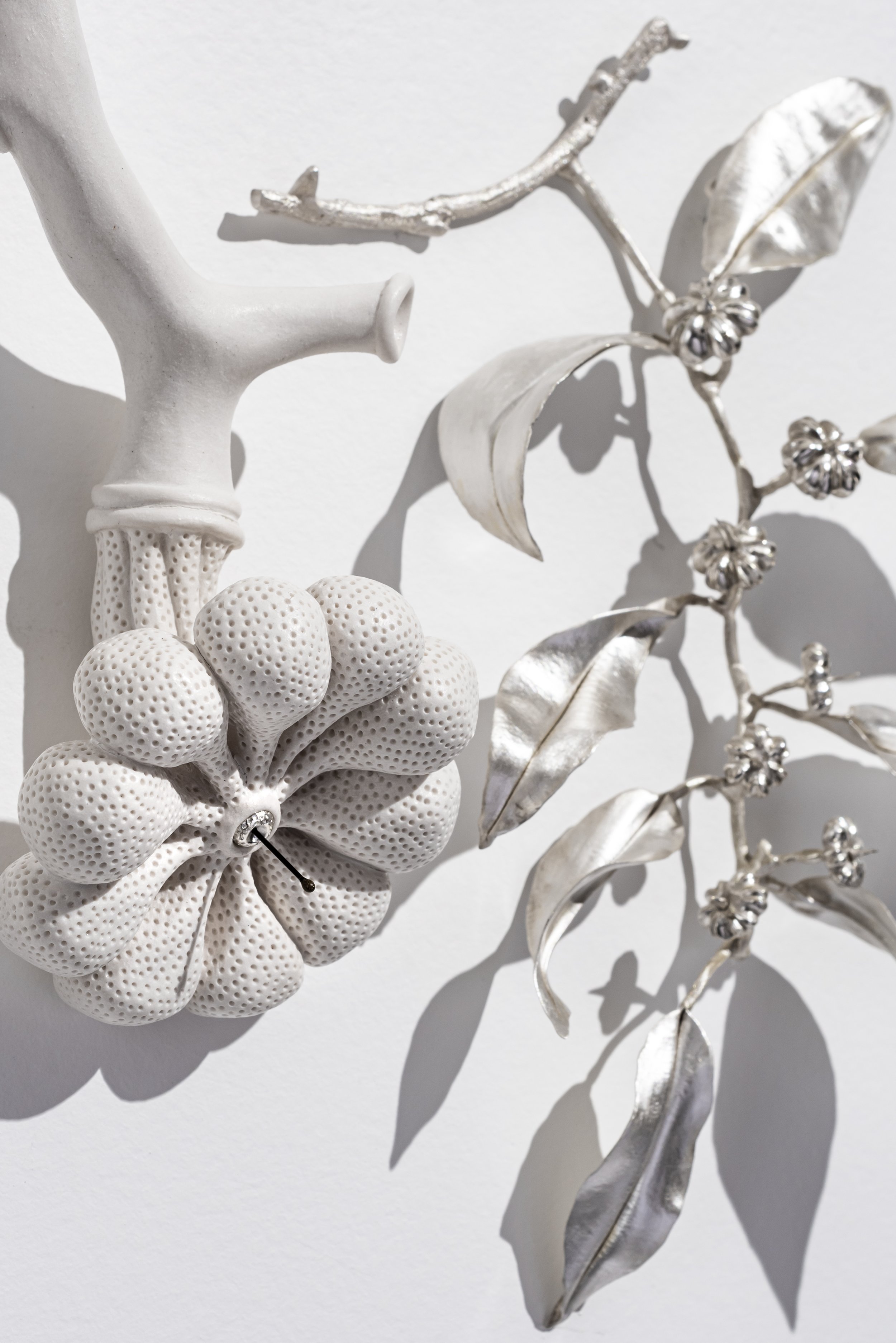
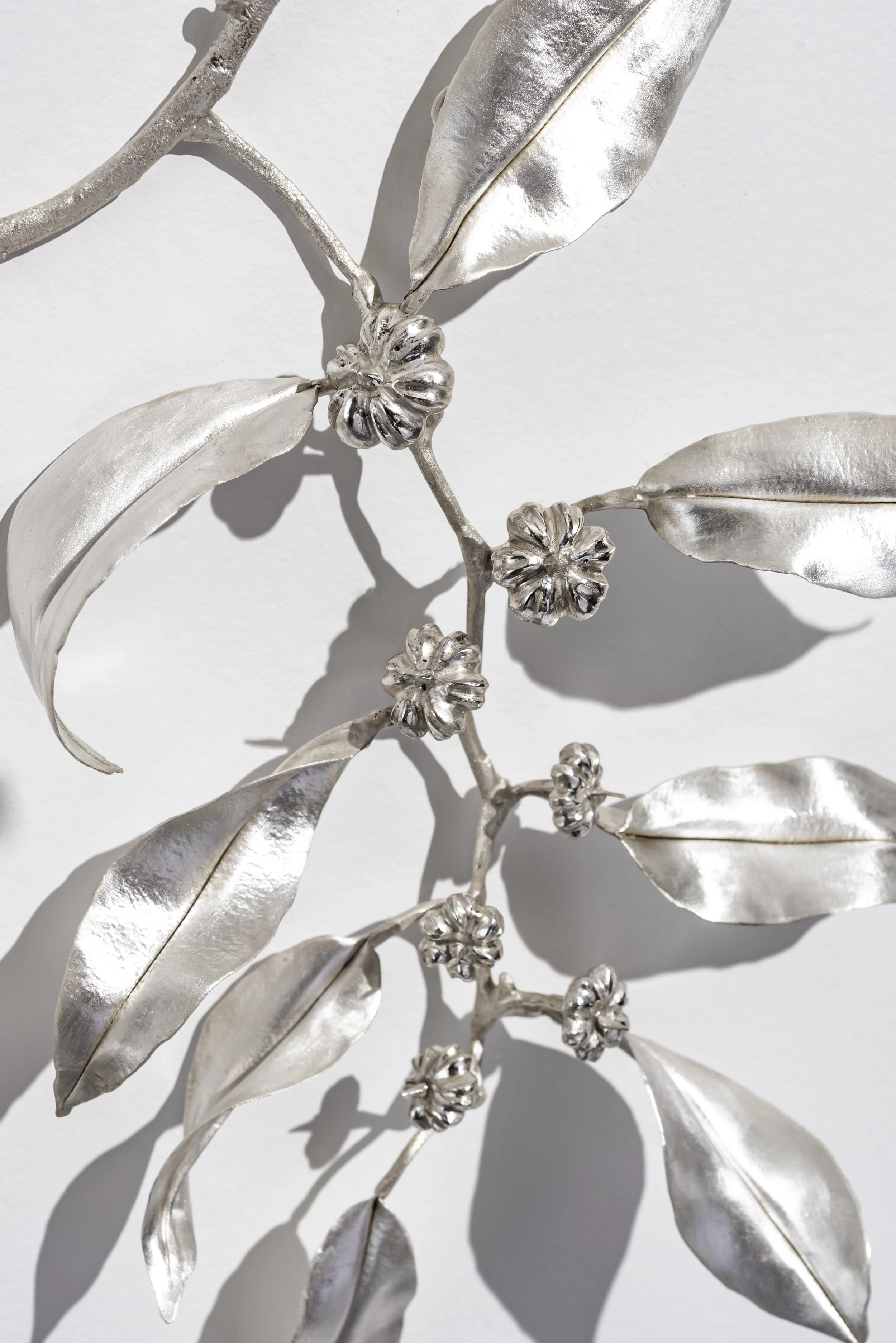
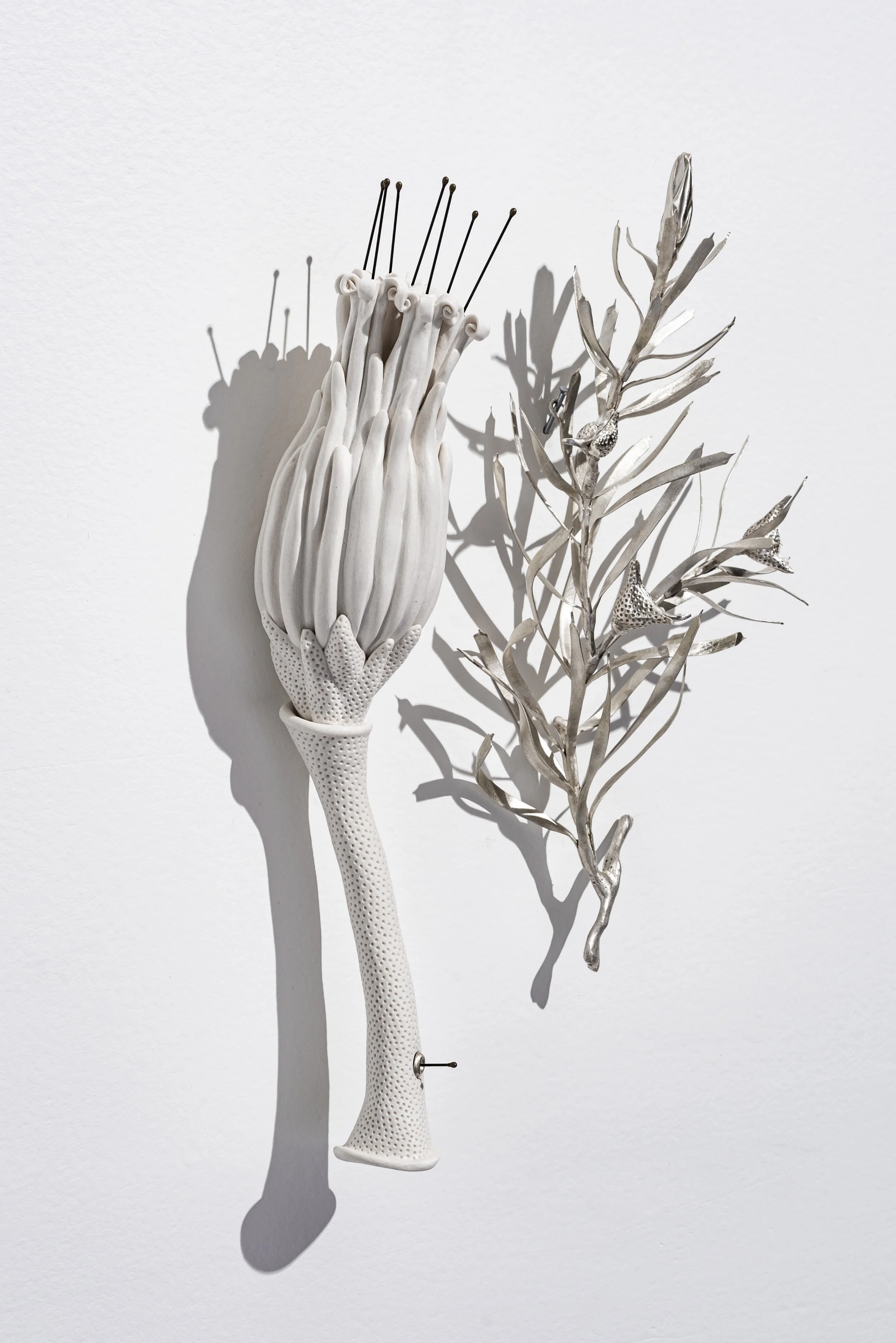
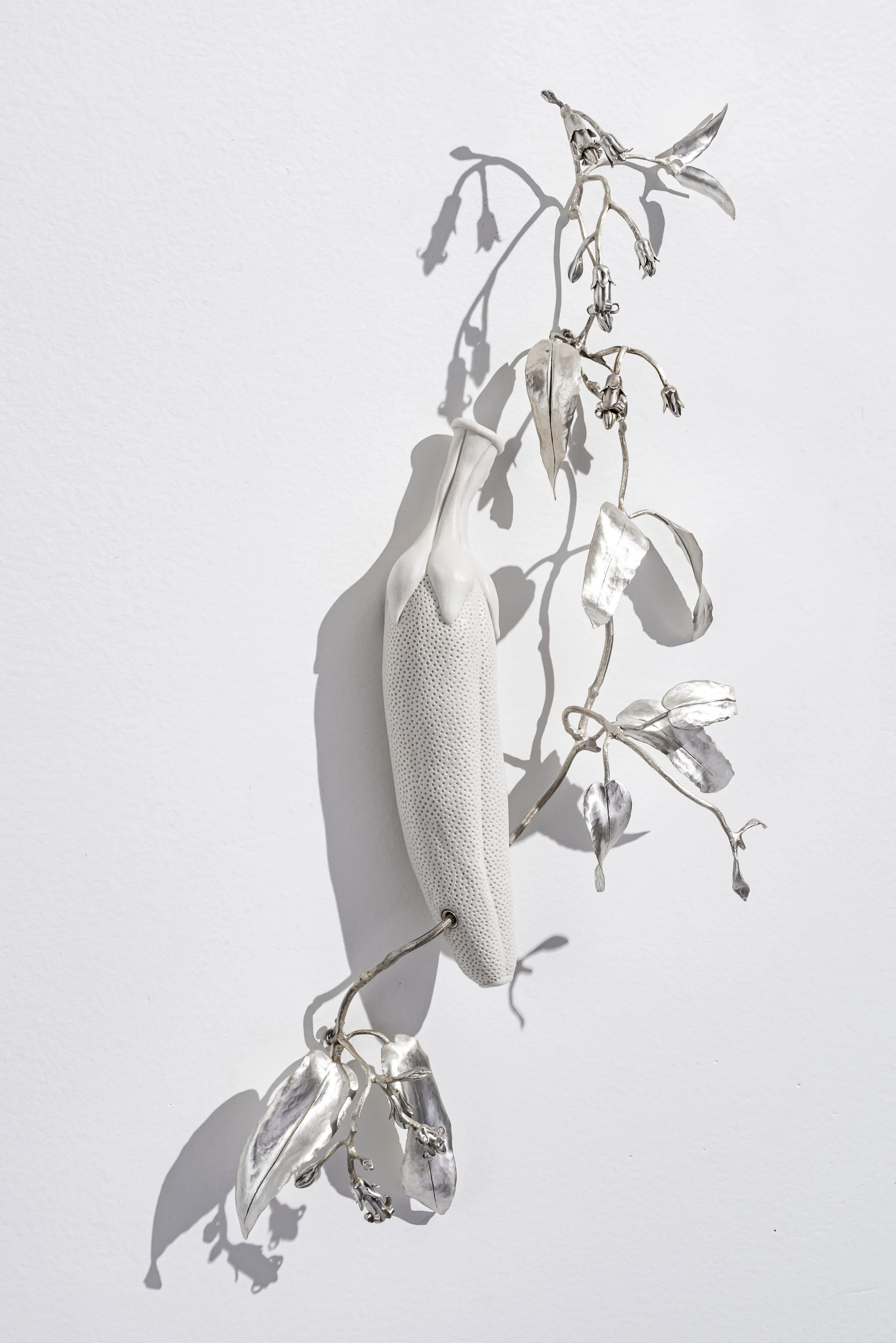
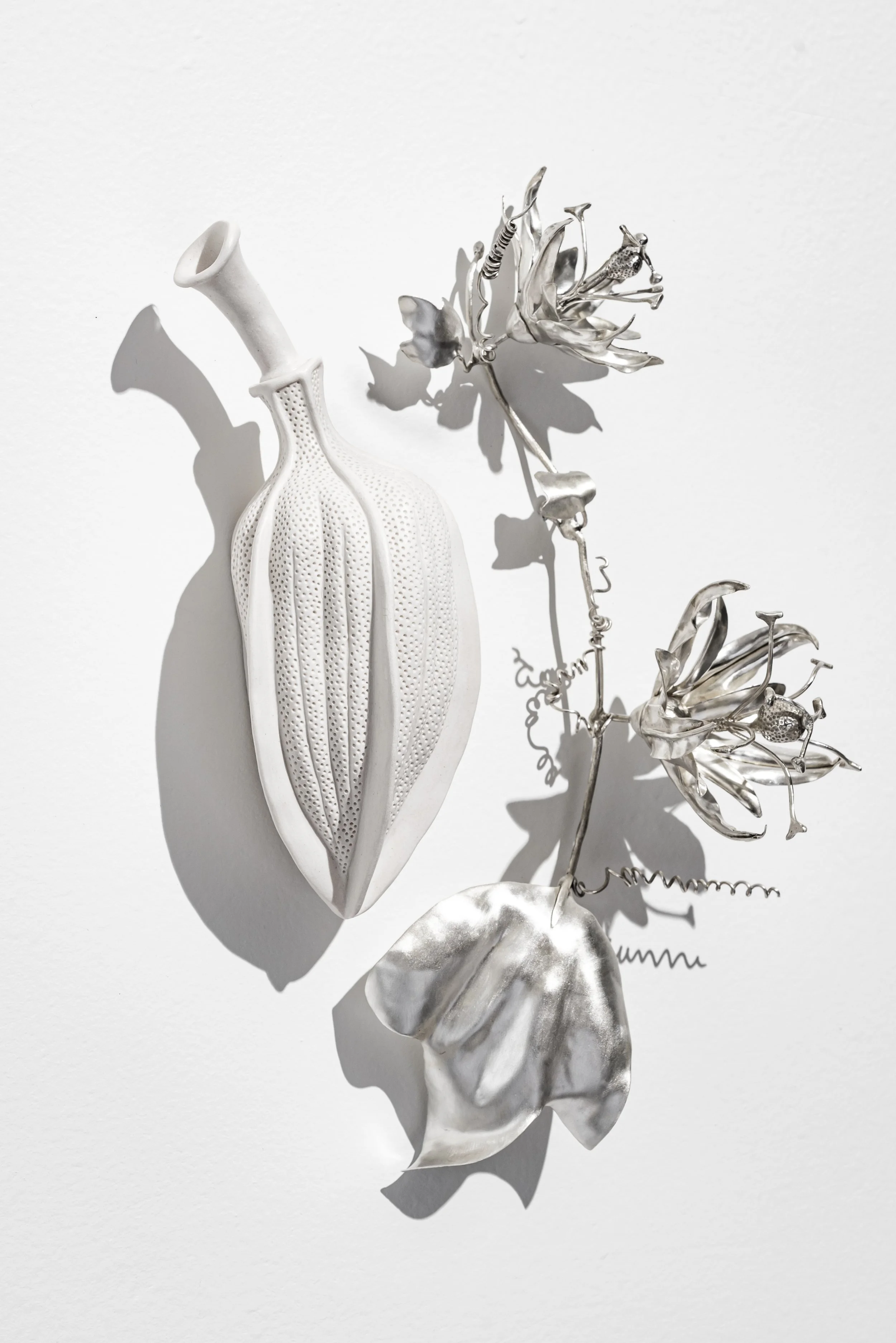
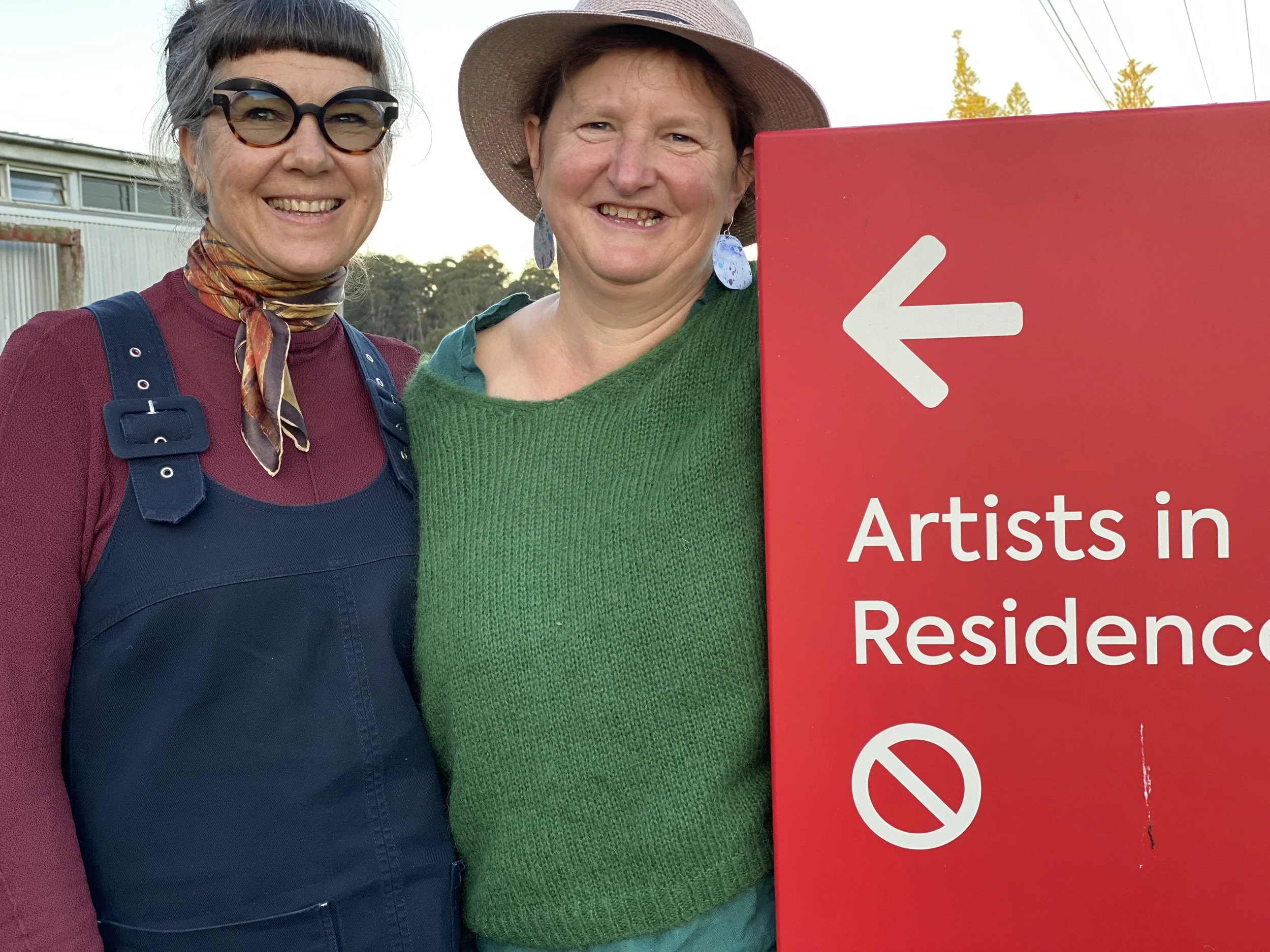
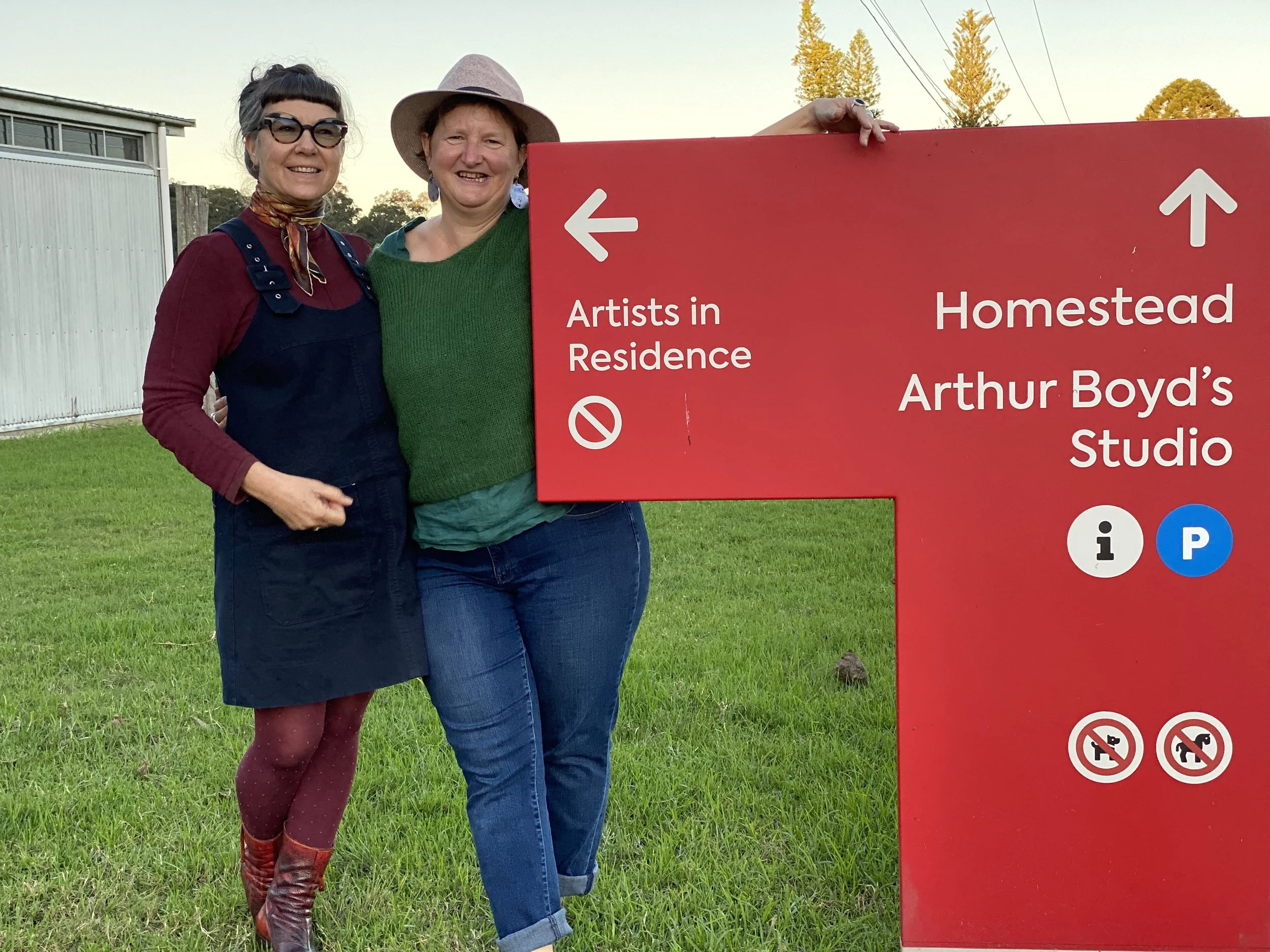
Sarah Rayner & Sophie Carnell
“Inspired by a close affinity with Australian native plants’ sheer ingenuity and tenacity, and the clever methods they have evolved.”
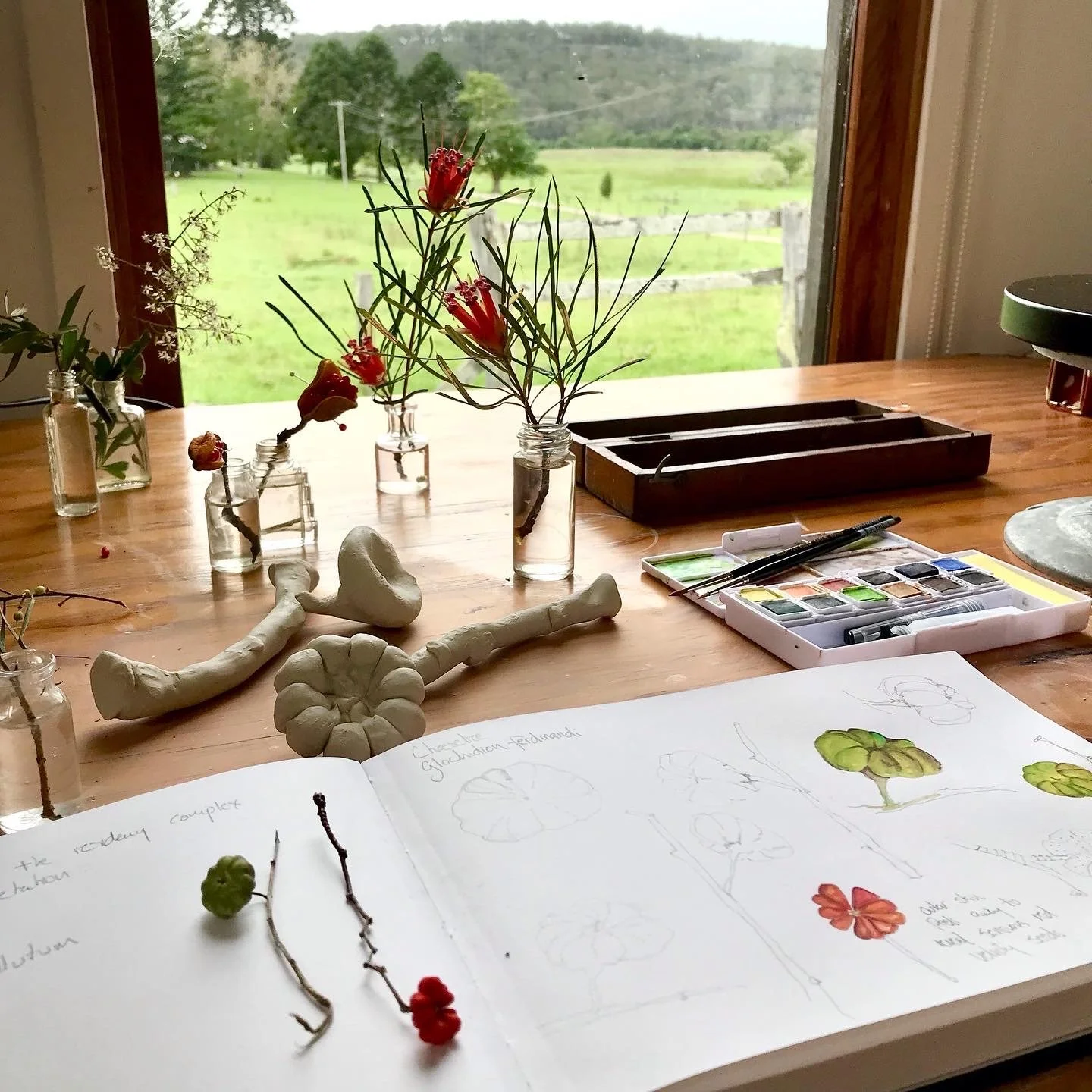
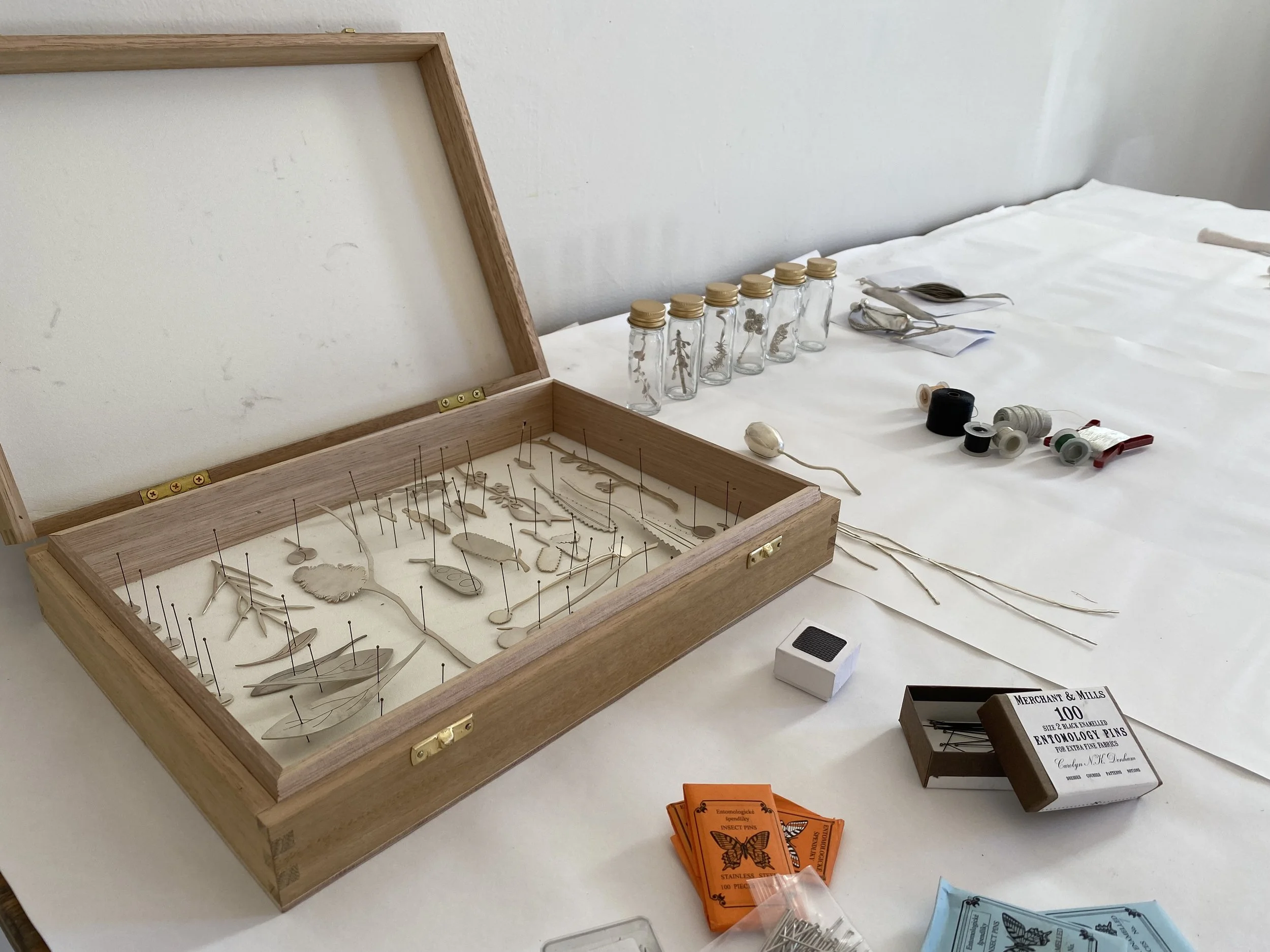
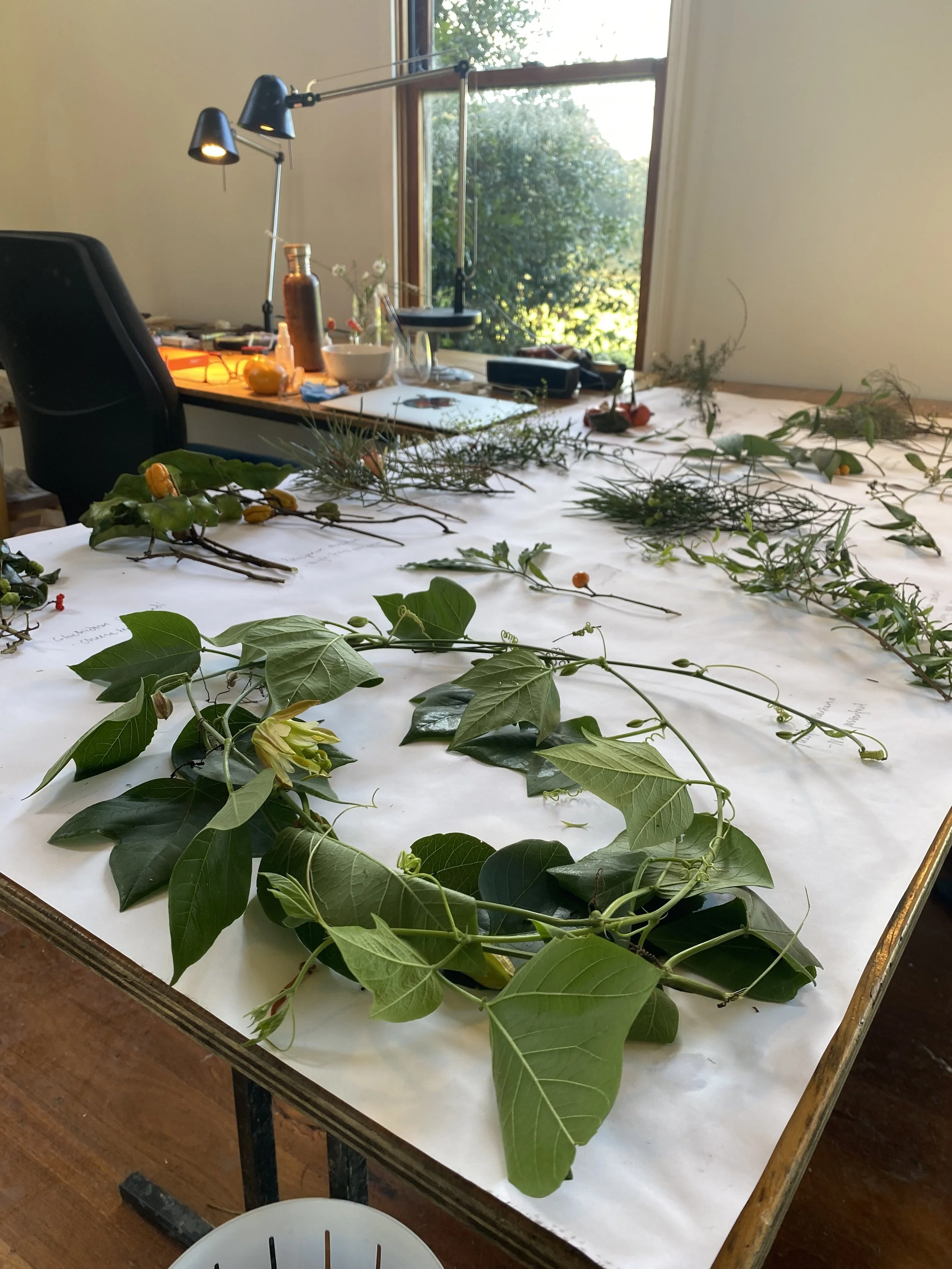
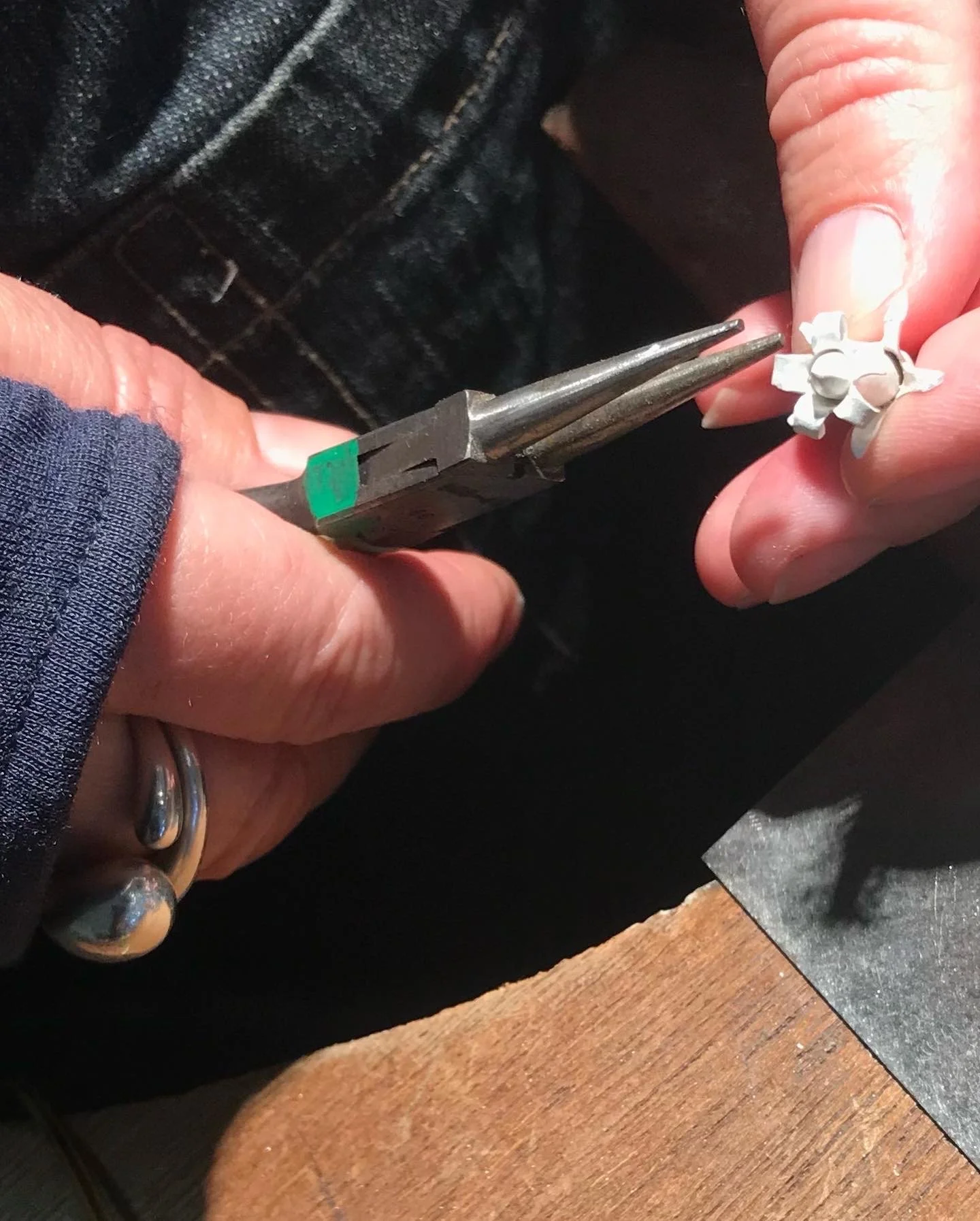
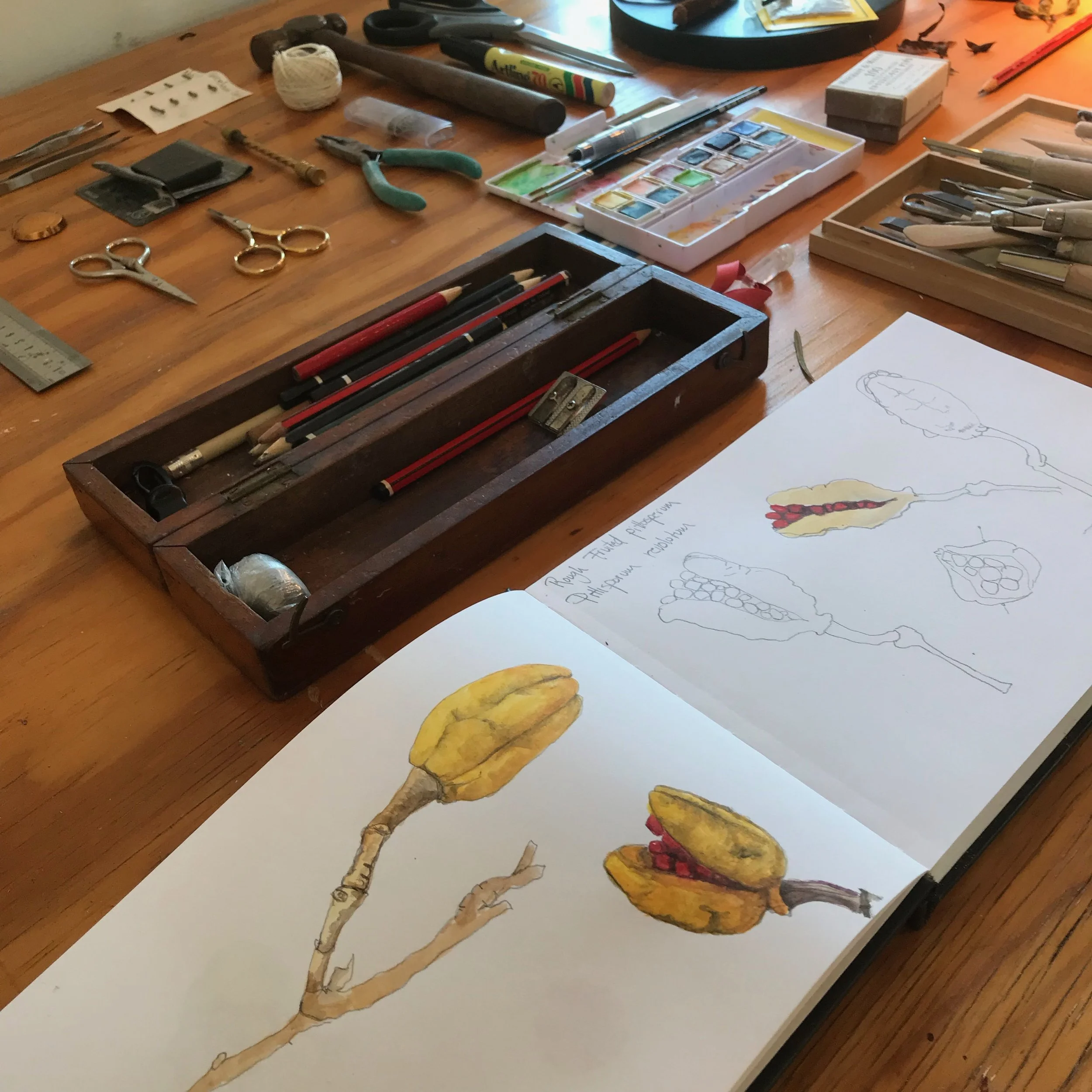
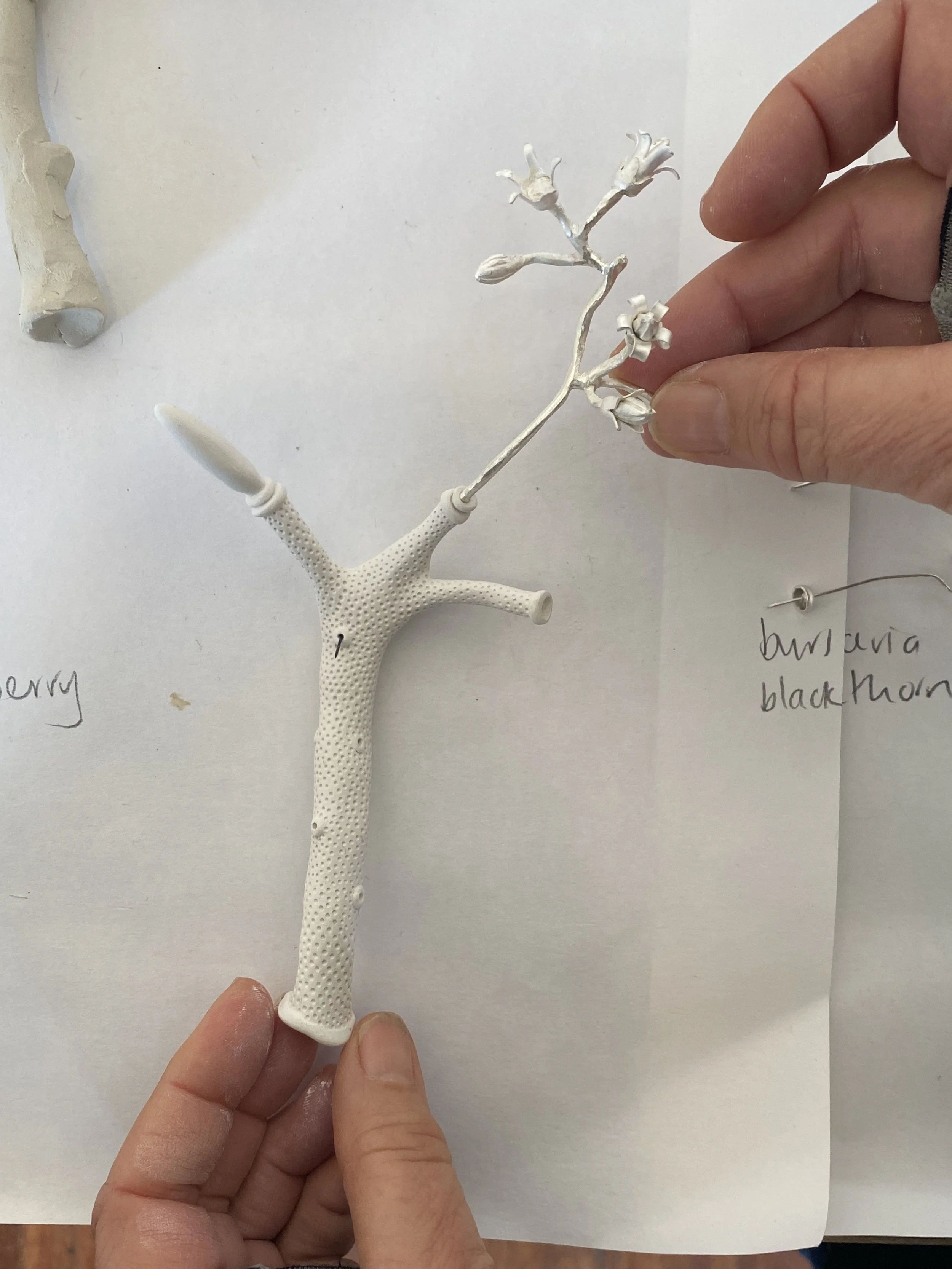
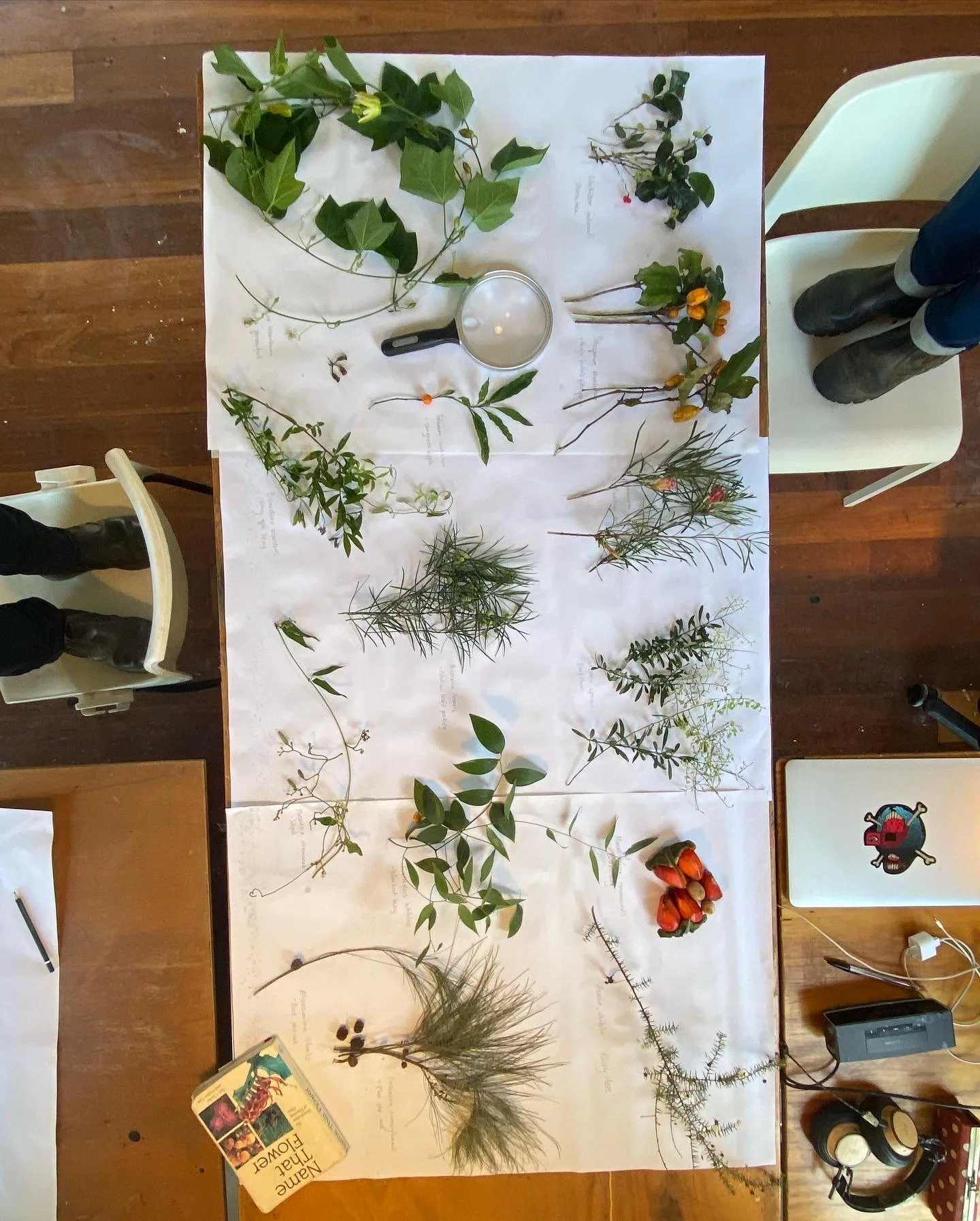
Sophie Carnell, a silversmith, and Sarah Rayner, a ceramicist, create sculptural works that unite silver and porcelain through a shared fascination with botanical forms.
In 2021, they joined forces to create collaborative works inspired by the natural world around them.
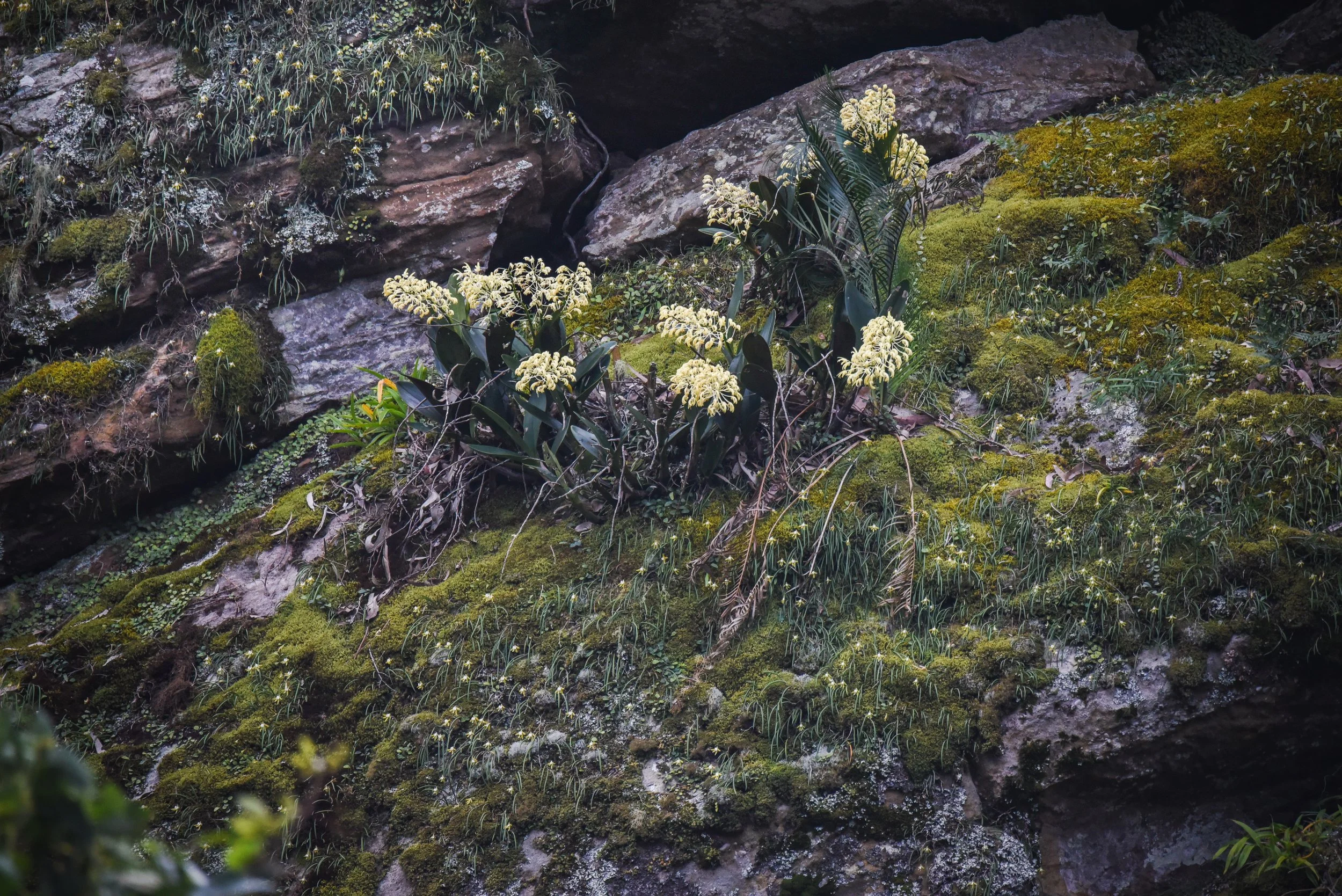
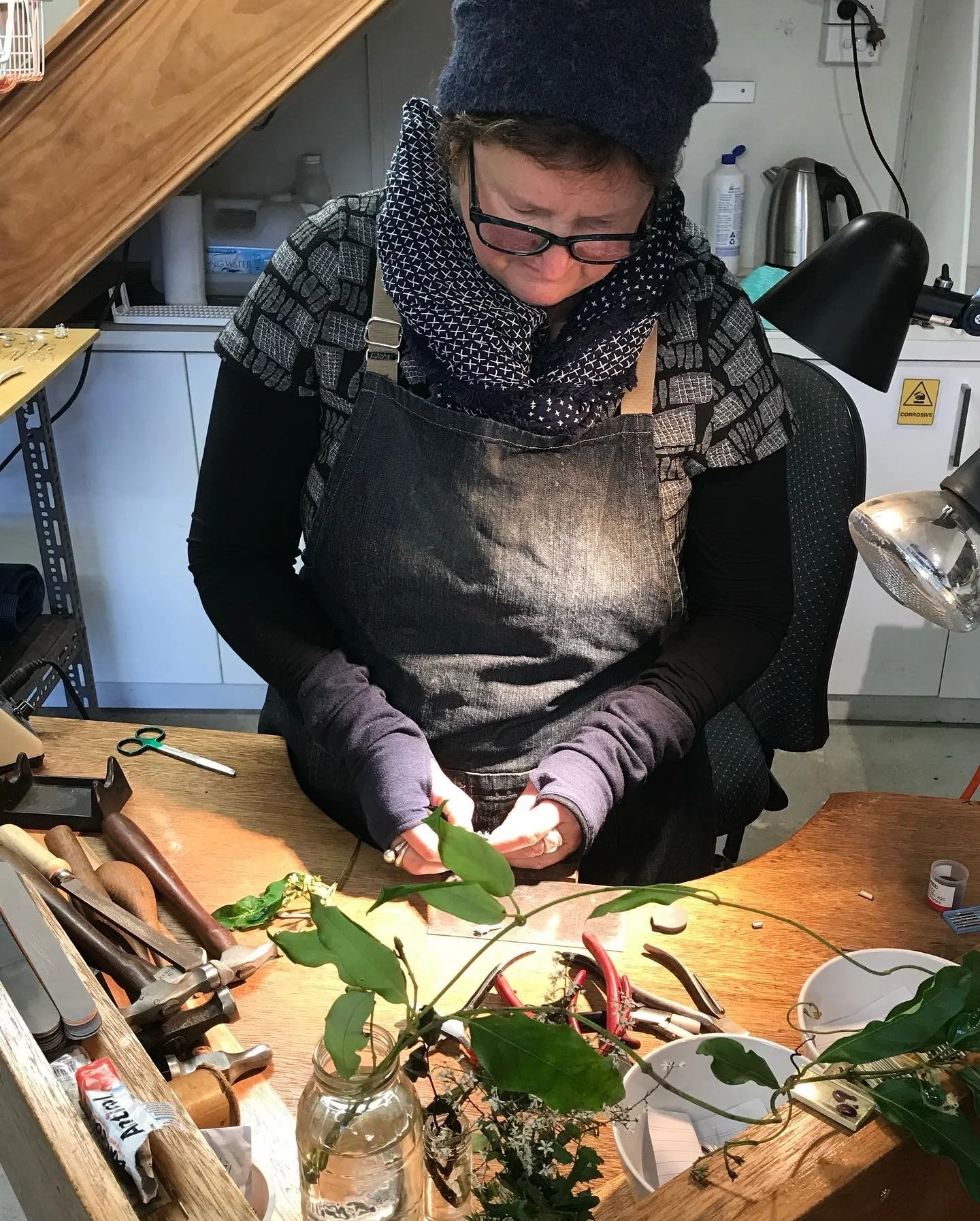
Through the pairing of silver and porcelain, the artists explore the intricate textures, forms and structures of native flora. They are grounded in slow, meticulous processes of making — sawing, hammering, sculpting and assembling — allowing each material to reflect the fragility, resilience and complexity found in nature.
Through close collaboration and mutual trust, their works exist in quiet dialogue, balancing tactile beauty with careful observation of the environment.
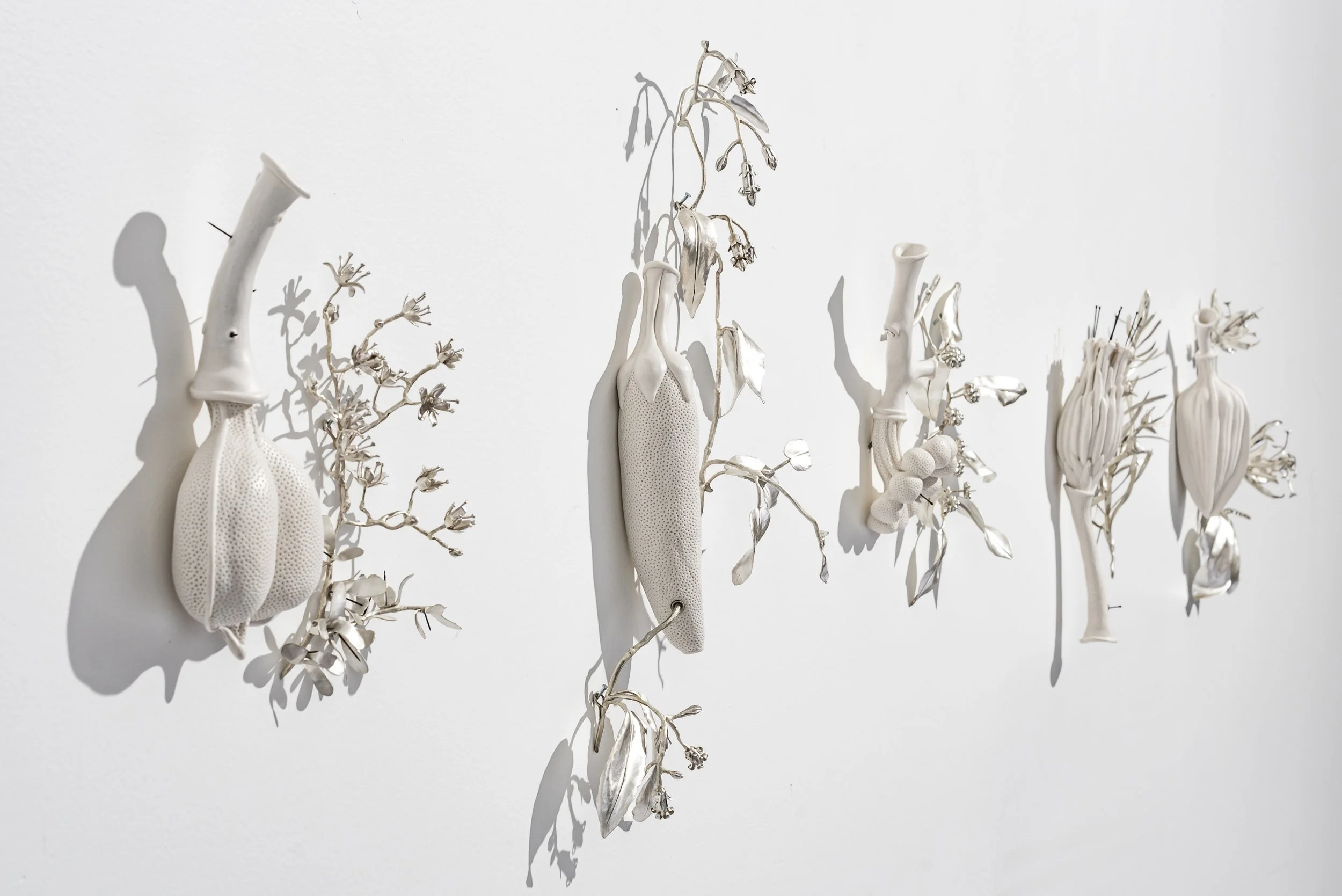
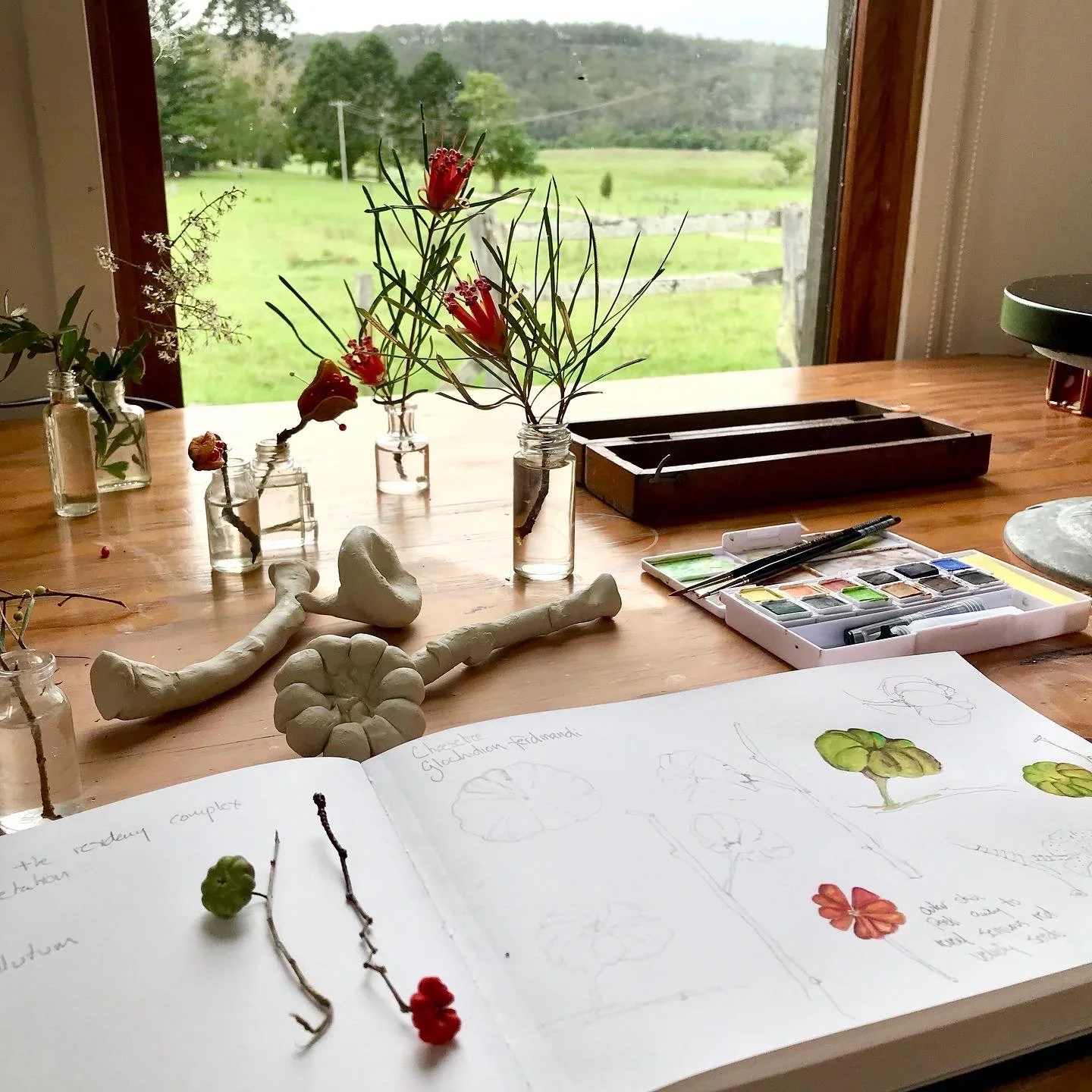
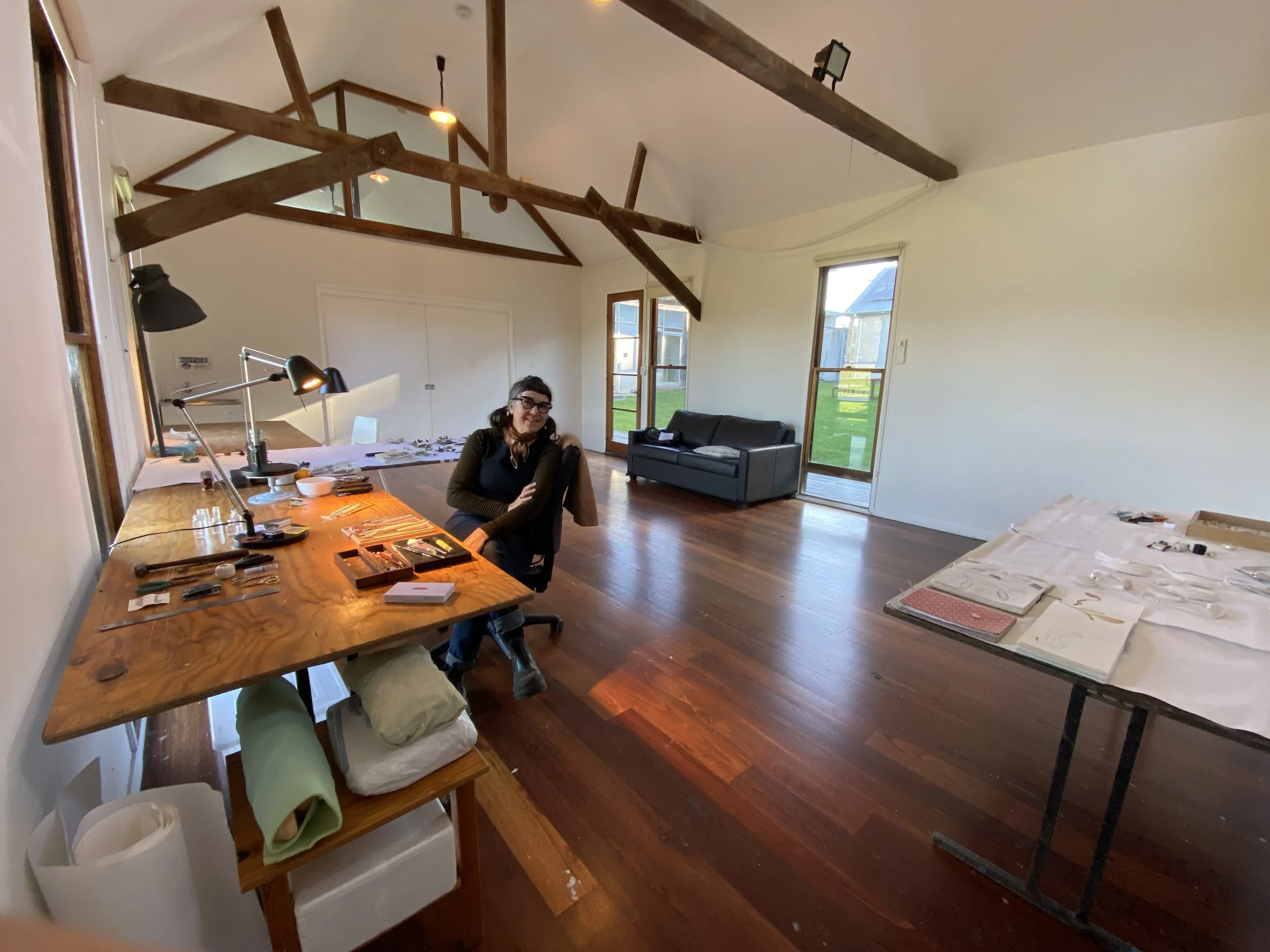
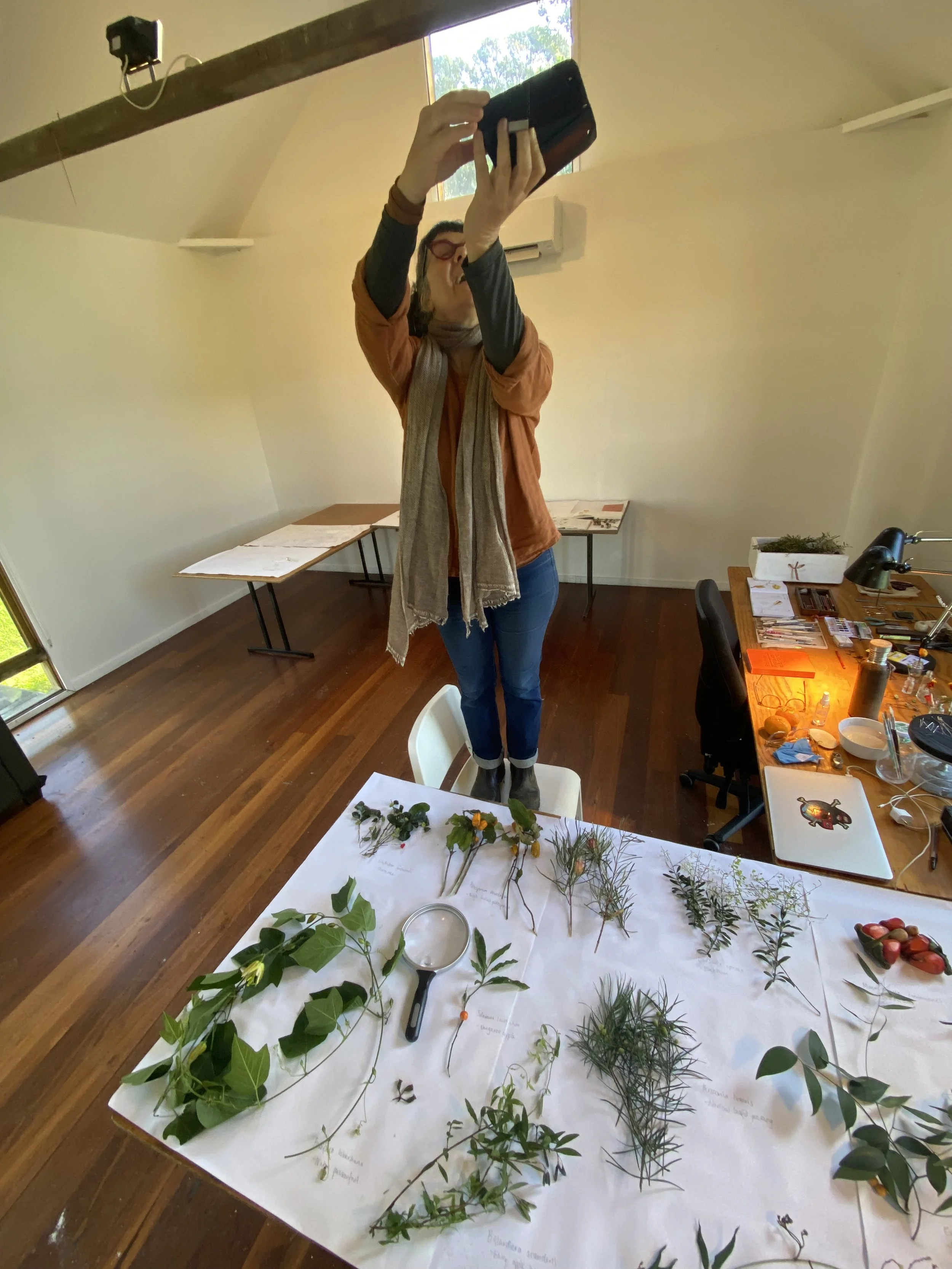
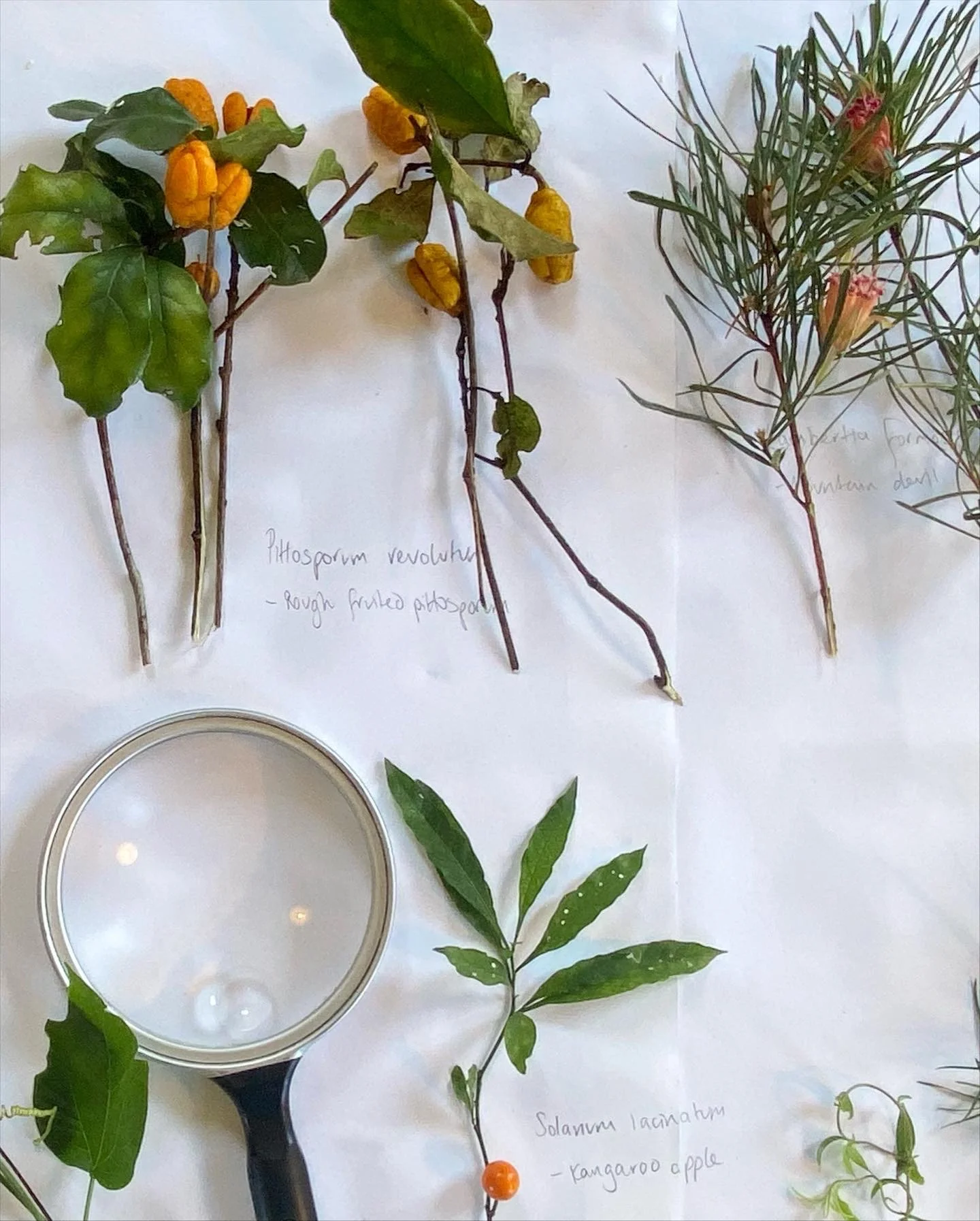
Sarah Raynor & Sophie Carnell, Florilegium, continued conversations - Bundanon, 2021, Having worked together - yet apart - for two years this residency gives them the opportunity to experiment during the malleable stages of the making process: researching and testing ideas and observing how their chosen materials of porcelain and silver interact with one another.
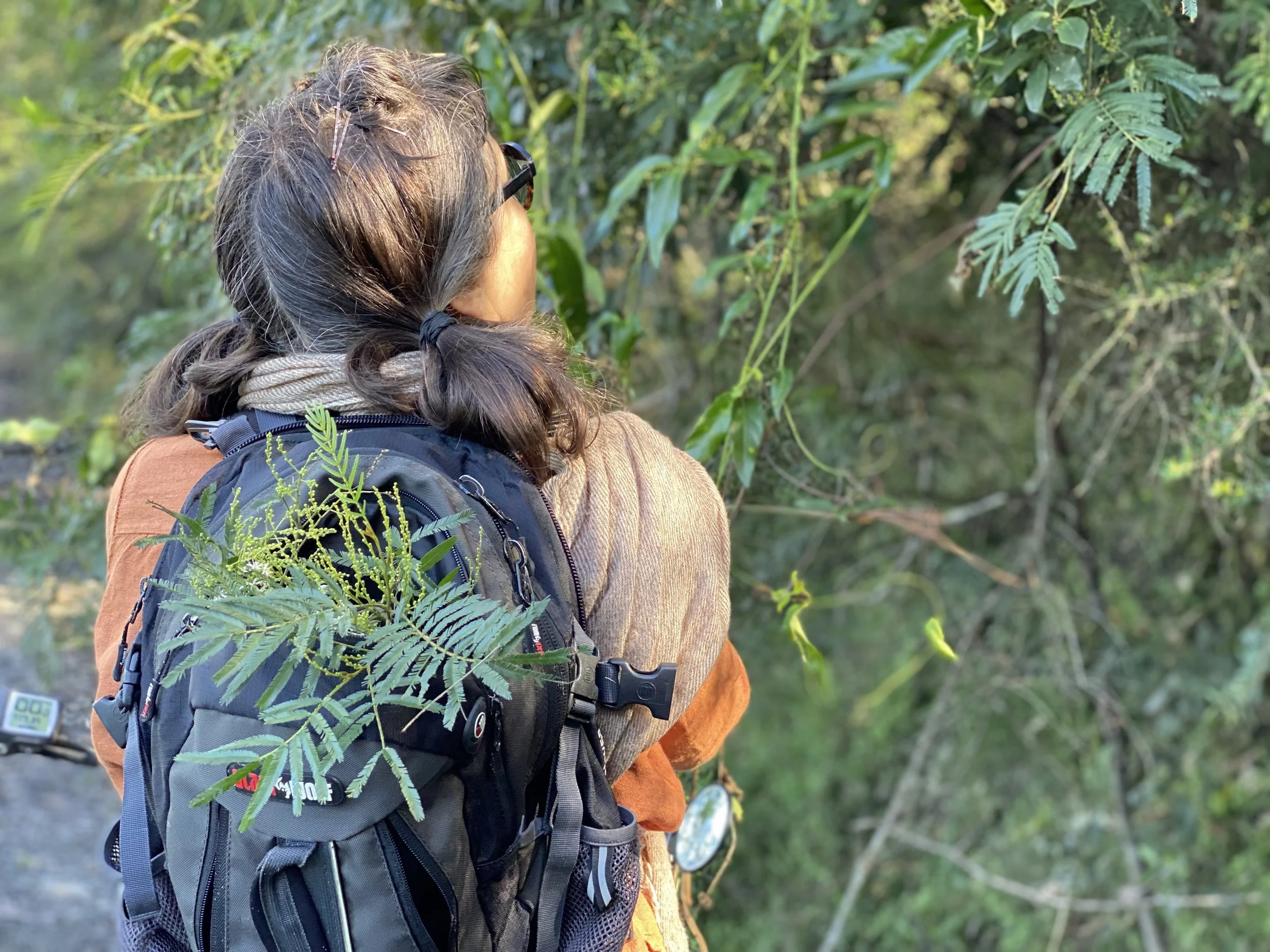
By simultaneously exploring the natural micro-environment of Bundanon, documenting and realising different responses to plant species immediately and spontaneously, they gained a better understanding of how their work can interact physically, conceptually and aesthetically. [Quote taken from the Bundanon website]
ARTIST EXPERIENCE
“
”
FINAL WORKS