
Sir William Dobell The Artist
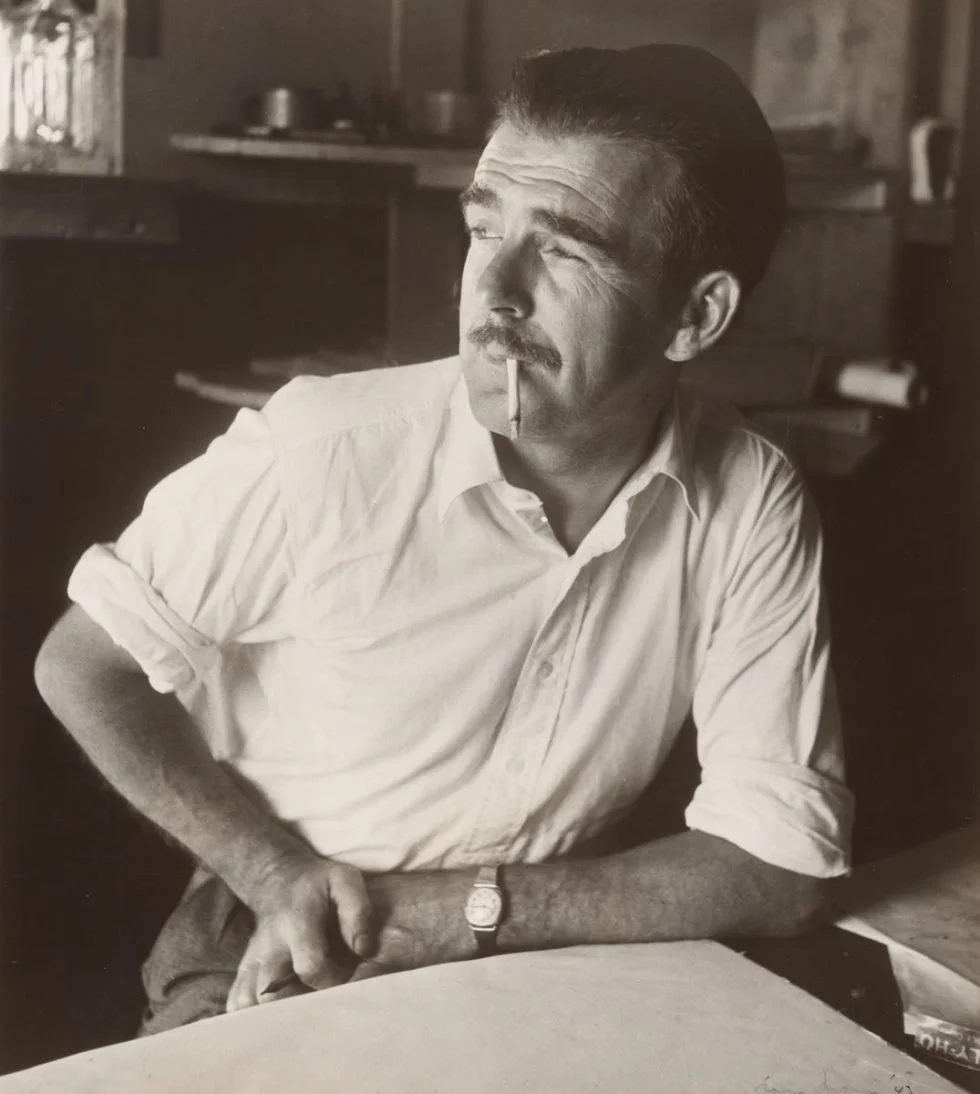
William Dobell, 1942, Photograph by Max Dupain
Humble Beginnings
Sir William (Bill) Dobell grew up in Newcastle, New South Wales, the youngest of seven children in a working-class family. From an early age, he showed a strong desire to draw, leaving school at 14 to attend technical college and develop his skills.
By 17, he had secured an apprenticeship with a local architect, where he honed the discipline and precision that would underpin his later work. In 1924, Dobell moved to Sydney to work as an architectural draughtsman with Wunderlich, while studying art in the evenings at the Julian Ashton Art School.
These formative years laid the foundation for a career defined by technical mastery, observation, and a lifelong commitment to drawing.
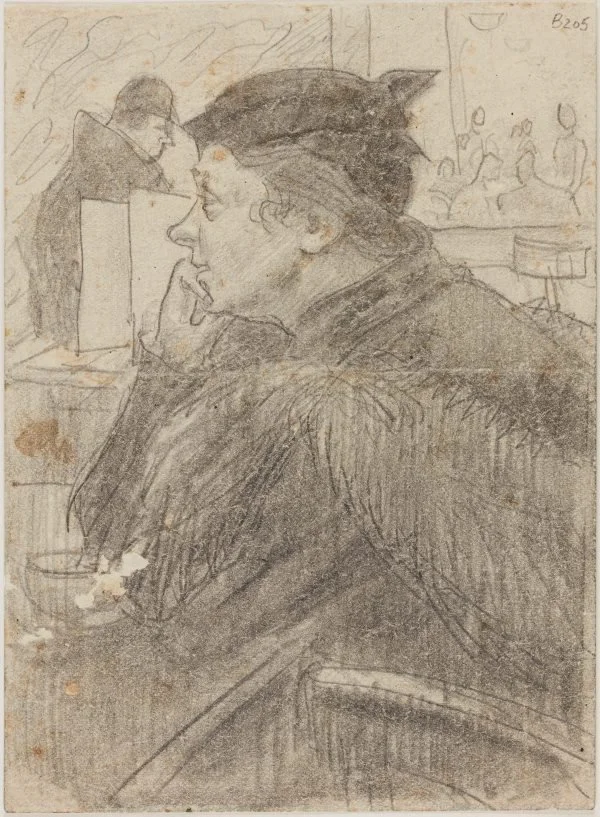
William Dobell, Study for 'Woman in a cafe', 1933, pencil, 13.8 x 10.1cm
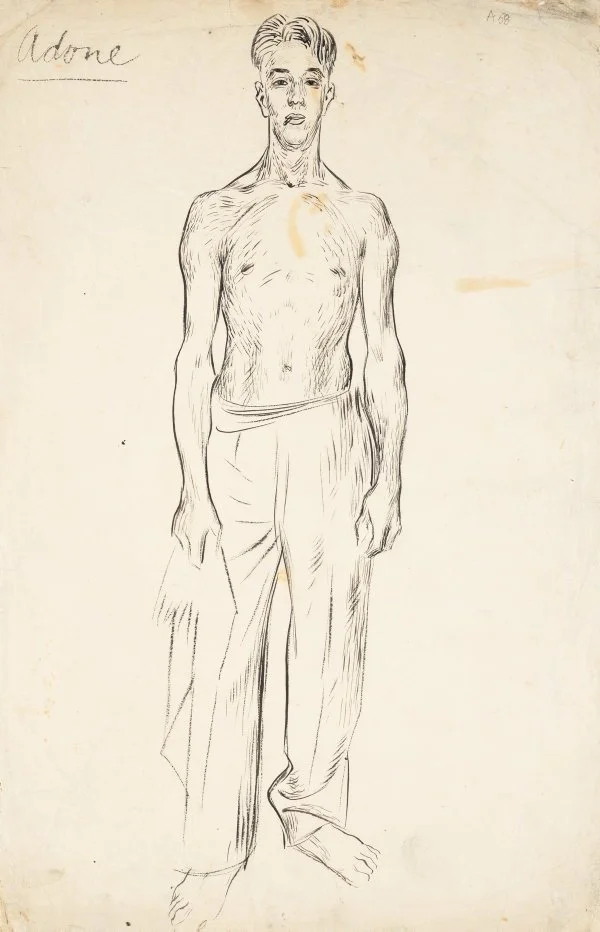
William Dobell, (Adone) (Student studies), pen and ink, 39.2 x 25.5 cm
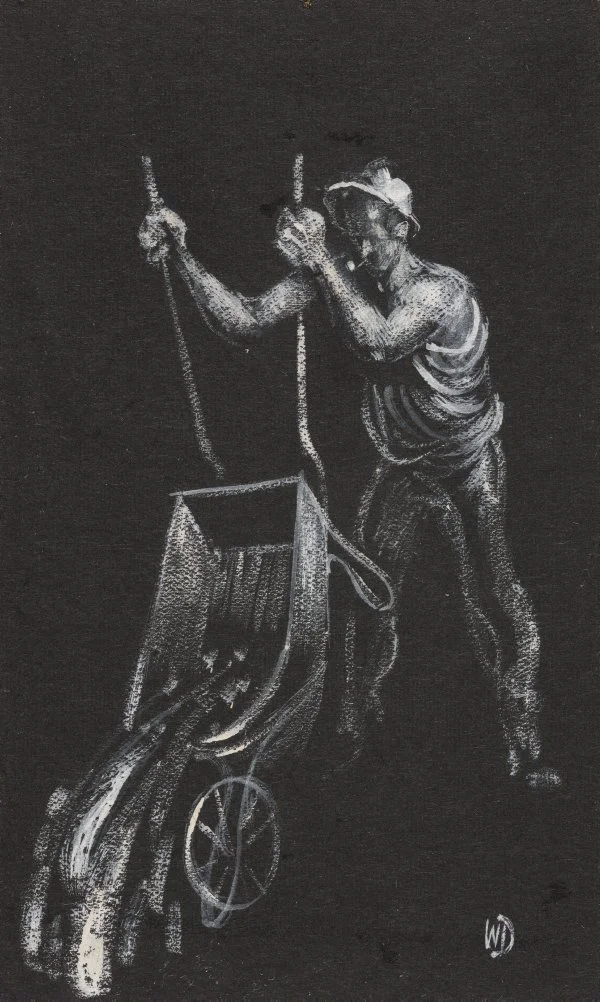
William Dobell, Study of a barrowman, circa 1943, white gouache on black paper, 12.4 x 7.5cm
Artist, Teacher, Master
Bill Dobell was one of Australia’s most celebrated artists — a quiet, deeply skilled draughtsman, three-time Archibald Prize winner, and former teacher at the National Art School.
Though reserved by nature, Dobell left a lasting impression on his students during his time teaching in Sydney. His passion for drawing — and exceptional technical ability — came to life in the classroom, where he was widely admired as a “life master.”
Dobell began his studies at the Julian Ashton Art School in 1924 before winning the prestigious Society of Artists Travelling Scholarship in 1929. He spent a decade in London, studying at the Slade School of Fine Art and supporting himself through illustration, film work, and large-scale exhibition projects, including the Empire Exhibition in Glasgow.
Returning to Sydney in 1939, Dobell joined East Sydney Technical College (now the National Art School), where he taught drawing until 1941, before contributing to the war effort as a camouflage artist during World War II.
His 1943 Archibald Prize-winning portrait of Joshua Smith sparked one of the most famous controversies in Australian art history, challenging traditional ideas of portraiture. Although the court upheld his win, the public debate led Dobell to retreat to Wangi Wangi, where he lived and worked for much of his later life.
Dobell went on to win the Archibald Prize twice more — with portraits of Margaret Olley (1948) and Dr Edward McMahon (1959). He was knighted in 1966 and remained a dedicated observer of people and place until his death in 1970.
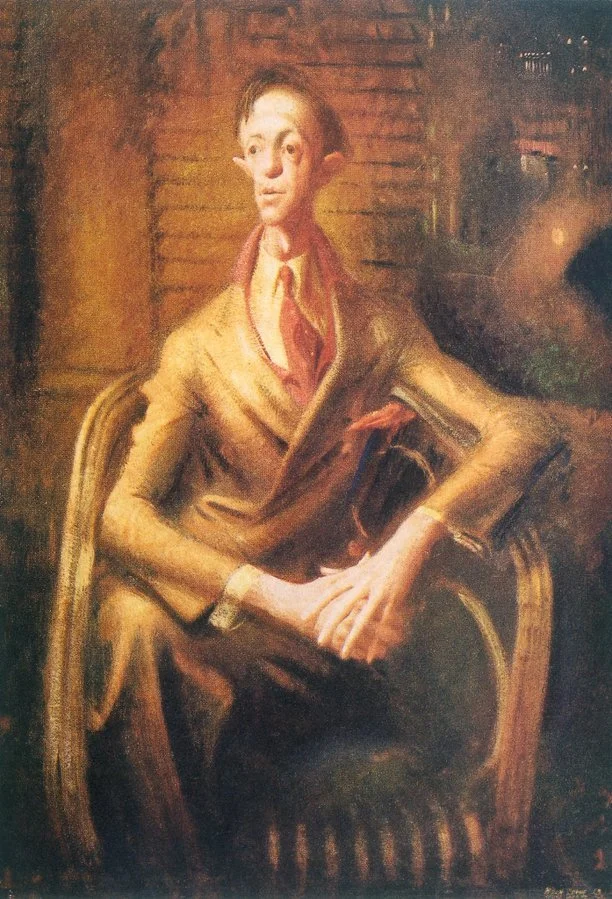
William Dobell, ‘Mr Joshua Smith’, 1943, oil on canvas, 122 x 81 cm
1943 ARCHIBALD WINNER
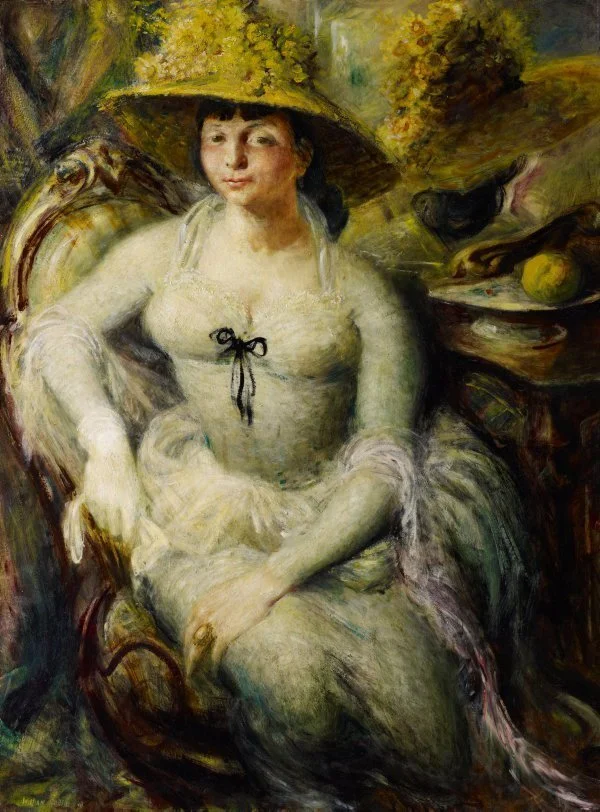
William Dobell, ‘Margaret Olley’, 1948, oil on board, 117 x 92 cm
1948 ARCHIBALD WINNER
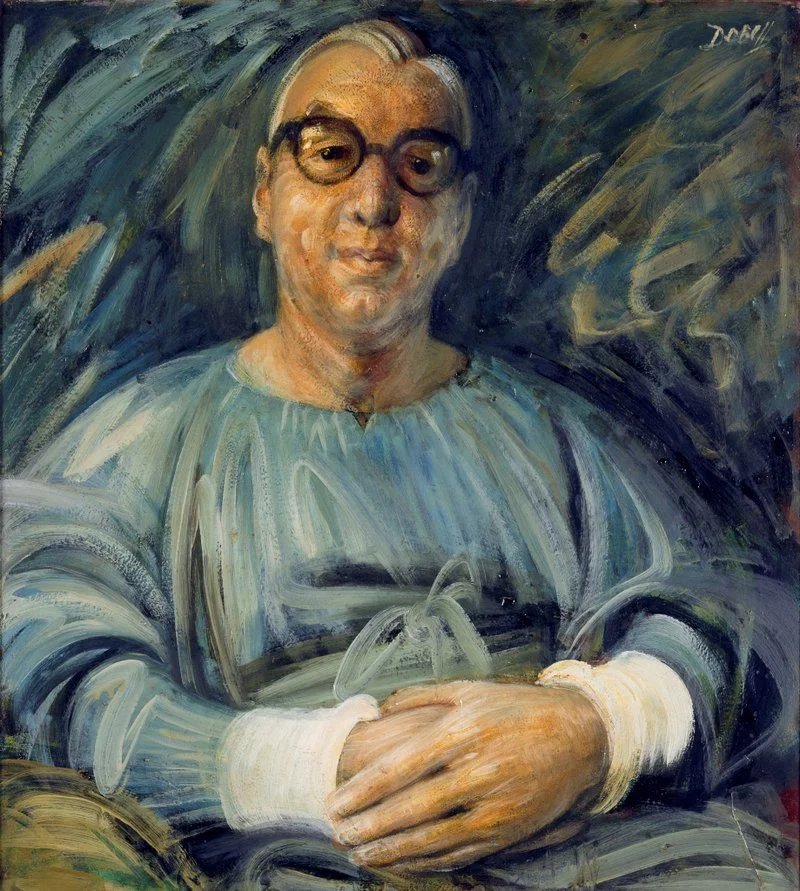
William Dobell, ‘Dr Edward MacMahon’, 1959, oil on masonite, 87x73 cm
1959 ARCHIBALD WINNER
Continuing the legacy
The Sir William Dobell Art Foundation was established in 1971 in accordance with the wishes of Sir William Dobell, who directed that a foundation be created “for the benefit and promotion of art in NSW.”
An initial endowment of approximately $260,000 was raised through the sale of the artist’s estate, including property and artworks. Under the stewardship of its founding trustees — Franco Belgiorno-Nettis, Charles Lloyd Jones and Tony Clune — these funds were carefully managed and grew over time, enabling the Foundation’s long-term support of the visual arts in Australia.
From its earliest years, the Foundation demonstrated an ambitious and forward-thinking approach. Its first public venture was the major commission of Salute to Slessor’s Five Bells by John Olsen for the Sydney Opera House — a mural that has become a significant cultural landmark.
Over the decades, the Foundation has expanded its activities through enduring partnerships with leading arts organisations and public institutions, supporting artists, education and public engagement across Australia.
The Foundation marked 50 years of supporting the visual arts in New South Wales in 2021. A reception was held on 4 October 2022 at the Sydney Opera House.
Today, the Foundation continues to build on this legacy, supporting artists and strengthening the role of visual art across Australia.
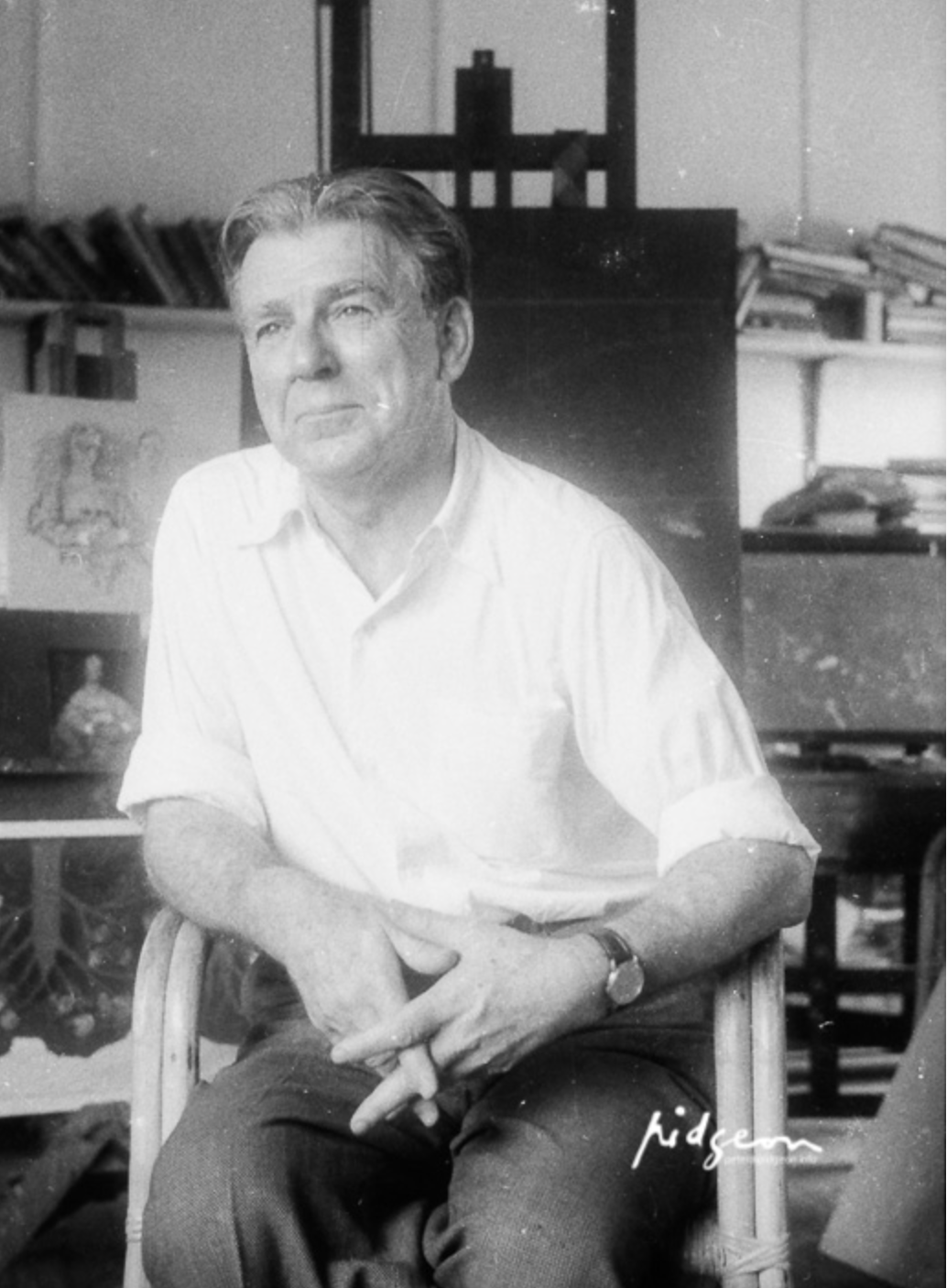
Dobell posing for William Pidgeon at his studio Wangi, 1958
Learn more about our Programs, explore our Impact, or find out how to Support Us.